

























































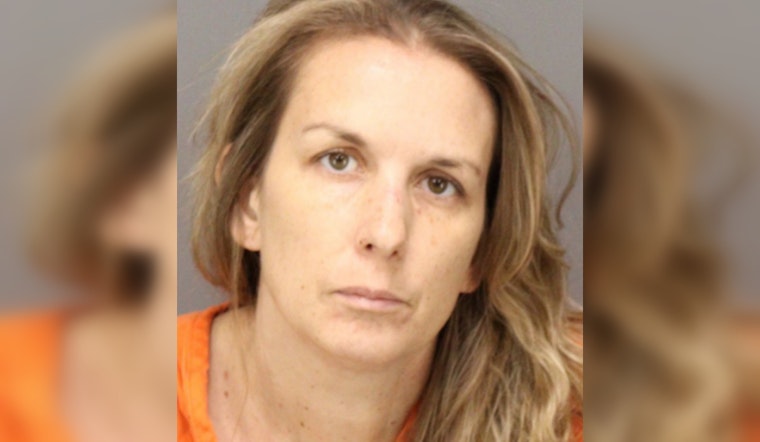
Florida prosecutors have formally put the death penalty on the table for 43-year-old Diana Cullom, the St. Petersburg mother charged with first-degree murder in the death of her 4-year-old son, Finley. The notice of intent to seek capital punishment was filed on April 1, and a status hearing in the case is set for Monday, April 20.
Police say the case began on January 27, when the boy's 16-year-old sister came home from school and found her mother holding Finley, with blood visible in the residence. Medical examiners later determined that the child had been suffocated with a plastic bag. According to the St. Petersburg Police Department, officers believe Cullom's stab wounds were self-inflicted, and she was taken to Bayfront Hospital for treatment. Investigators reported finding a knife and a note at the scene and said they do not believe there is any ongoing threat to the public.
The state's decision to pursue capital punishment was locked in procedurally in early April, when prosecutors filed the formal notice of intent described by WTSP. The filing itself does not decide Cullom's fate, but it does signal that if she is convicted, the state will push for the harshest sentence available.
Cullom appeared via video for her first court hearing and is being held without bond, according to local coverage. Family members, including her husband, Dr. Damian Cullom, were in the courtroom as proceedings began. Reporting also notes that the Cullom family operates Crescent Lake Family Dentistry in St. Petersburg, coverage that first surfaced through FOX 13.
What the notice means
In Florida, a written notice that prosecutors intend to seek the death penalty moves a case into what is commonly called the capital track. That shift triggers broader discovery obligations, expert involvement, and more rigid timelines for filing motions and reports. The requirements are spelled out in the Florida Rules of Criminal Procedure, and the weighing of aggravating and mitigating factors in such prosecutions is governed by Florida Statutes, Chapter 921.
Next steps in court
The next scheduled court date is the April 20 status hearing. At that session, the judge typically reviews how discovery is progressing, sets or adjusts deadlines, and hears any preliminary motions, according to local reporting. If prosecutors continue to seek death, the defense is expected to request mental health evaluations and could file motions challenging the notice or asking for other forms of pretrial relief.
Community response and support
Authorities have emphasized that they view the case as isolated to the home. Police said victim-services referrals were offered to the teenage sister and to officers who responded to the scene, and noted there had been no prior calls for service to that address. For the department's detailed account and the original description of the scene, see the release from the St. Petersburg Police Department.





