

























































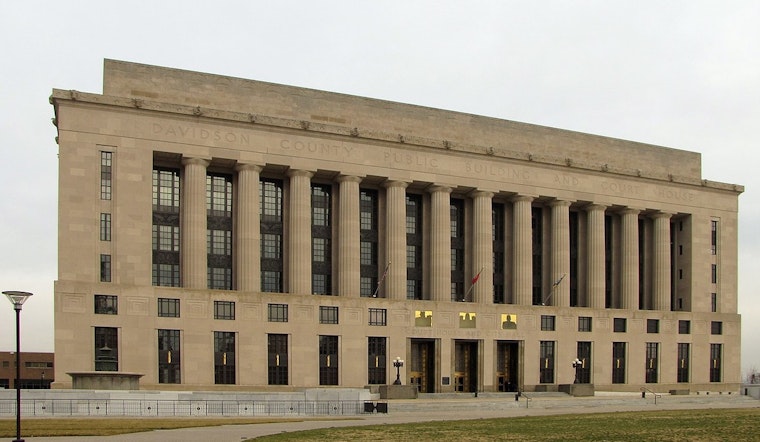
State Republicans moved Thursday to tighten their grip on Tennessee’s biggest visitor magnets, pushing through a measure that would centralize rules for tourism development zones and trim some local powers over streets, sanitation, and public behavior. The bill cleared its final legislative hurdle this week and now heads to the governor’s desk. If signed into law, it would shift more decisions about how downtown entertainment districts run, from who can close a street to how camping and loitering are policed, into the hands of state agencies and state troopers.
What’s in the bill
HB2366, with a Senate companion SB2157, adds a new chapter to state law that defines tourism development zones and sets out access rules for those areas. According to the Tennessee General Assembly, the measure bars local governments from blocking streets or other rights-of-way in a TDZ in ways that disrupt business activity, while allowing temporary closures only in limited emergency situations or when they are spelled out in event contracts.
Statewide rules and troopers’ authority
Amendments adopted in the House and Senate broadened the bill so the Tennessee Highway Patrol would have concurrent law-enforcement authority inside TDZs, sharing the beat with local police. The bill also directs the Department of Tourist Development to write uniform rules for sanitation, marketing, and public conduct in those zones. The department would designate TDZs as “economic protection zones for the purposes of protecting and stimulating economic activity,” according to the Tennessee General Assembly. In plain English, the state wants one playbook for how these busy districts look, feel, and function.
Lawmakers spar over local control
Backers frame the bill as a way to keep paychecks and profits flowing in tourism corridors, while critics see a power grab that sidelines city halls. Rep. David Hawk told colleagues on the House floor the bill “helps to protect jobs and local businesses in the tourism hotspots by preventing local governments from choking off economic activity,” while Senate Minority Leader Jeff Yarbro called the measure “an egregious interference with local government” and Sen. Bo Watson stressed the state’s financial stake in TDZ projects, as reported by WKRN. The fight is less about whether tourists should come and more about who gets to set the rules when they do.
Why Nashville is central
The push is not happening in a vacuum. Republicans have separately floated state oversight of Nashville’s TDZ surpluses and strategies to redirect large portions of downtown tourism tax revenue into statewide projects and development. Reporting from Axios notes lawmakers are eyeing the same revenue streams that helped finance the Music City Center and other downtown projects.
What happens next
With the House approving the amended bill on April 6 and the Senate passing it on April 9, the measure is set to be enrolled and sent to the governor for signature or inaction, according to the bill record on LegiScan. Amendments schedule most provisions to take effect Jan. 1, 2027, giving state agencies time to write the new uniform rules before changes to local enforcement kick in.
Local officials, downtown businesses, and visitors now have a long runway to watch the rulemaking process. How those rules read, and how aggressively troopers choose to enforce them, could reshape the feel of Tennessee’s nightlife and event districts, shifting key tools for managing crowds and commerce from city halls into a statewide rulebook.





