

























































Minneapolis might be headed back to the steam room. After nearly four decades of keeping adult bathhouses and commercial sex venues off the books, a group of City Council members has formally asked staff to study whether those businesses should be allowed to operate again under a new health-focused licensing system.
If the effort advances, it would partially roll back an ordinance from the late 1980s that shut down the city’s last adult bathhouse and banned businesses that facilitate what city code calls "high-risk sexual conduct." Supporters say the point is not to turn back the clock to the pre-AIDS era, but to bring an underground reality into the light with rules, inspections, and condoms at the ready. Skeptical council members, meanwhile, are signaling that they want a lot more detail before anything becomes law.
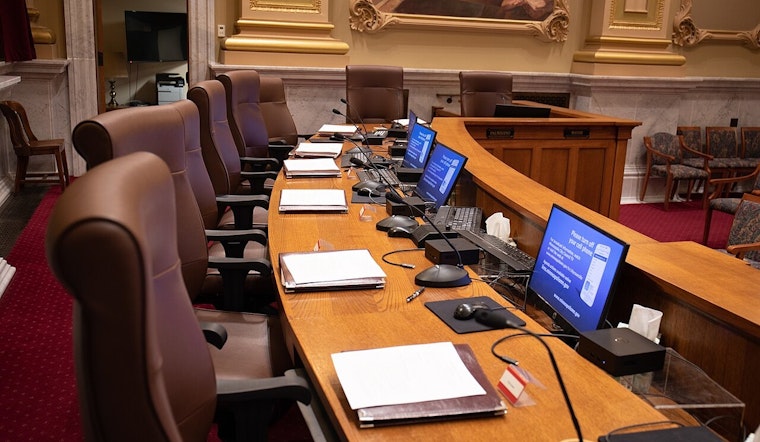
Council Members Elliott Payne, Soren Stevenson, and Jason Chavez have filed notices of intent to introduce a package of ordinances that would tweak the city’s health, licensing, and zoning rules. The notices, which appear on the official council agenda, target Title 11 (Health), Title 13 (Licenses and Business Regulations), and portions of the zoning code. According to the City of Minneapolis council agenda, the measures were submitted for introduction and referral to the Public Health, Safety & Equity Committee.
What city staff would study
Before the council members moved, city staff had already taken a preliminary look at how other places handle adult bathhouses and similar sex-on-site venues. Their analysis surveyed approaches in Duluth, Chicago, Seattle and Miami and laid out several options, from treating bathhouses like standard businesses to creating an entirely new licensing chapter with customized operating rules.
The review also flagged which parts of Minneapolis code would need attention, including public health provisions and zoning rules. As detailed in a city staff report, possible standards on the table include required on-site condom access, staff training, specific lighting and sanitation expectations and waste-disposal protocols.
Supporters and history
Advocates organized as the Safer Sex Spaces Coalition, which includes the Aliveness Project and OutFront Minnesota, argue that the current hard ban does not stop the activity, it just pushes it into informal and unregulated settings. They say licensed venues could instead serve as gateways to testing, prevention supplies and honest conversations about sexual health, particularly for LGBTQ+ communities.
The debate is unavoidably haunted by the city’s response to the AIDS crisis in the late 1980s, when Minneapolis closed its last adult bathhouse and shut the door on any business that might host "high-risk sexual conduct." Supporters of the new effort insist they are not calling for a regulatory free-for-all. They frame the proposal as a public health strategy that uses rules and visibility to reduce harm and stigma. As Star Tribune reporting notes, coalition members and ordinance sponsors say that bringing the venues into a formal system could make them safer for everyone involved.
What is next
The council scheduled an April 7 vote on whether to send the newly introduced items to staff for deeper research. If that referral goes through, staff would be tasked with drafting concrete ordinance language, working with stakeholders and returning with proposals for committee review. That is when the real fight is likely to begin.
Payne has described bathhouses and similar venues as "historically LGBTQ+ gathering spaces," suggesting that any new rules should recognize their cultural role as well as the health implications. Council Member Michael Rainville, whose aunt helped pass the 1988 ban, has publicly said, "I want to learn more" and has predicted a contentious debate. A spokesperson for the mayor told reporters that the mayor supports staff continuing to explore the idea. According to the Star Tribune, council leaders say the next stages will include community outreach as part of the drafting process.
Legal and public health questions
Before anyone hangs a new "open" sign, the city would have to carefully revise several related code sections. Current Minneapolis law does not just address "high-risk sexual conduct" in isolation, it also includes rules on indecent conduct and disorderly houses, all of which could be triggered by an adult bathhouse or sex venue.
Officials and staffers say any path forward will demand precise work on zoning, licensing and public health language to address safety, prevent underage access and stay aligned with state and local regulations. If the proposals stay alive, the next phase will feature meetings with health providers, neighborhood organizations and advocacy groups to hammer out enforcement details and outreach strategies. In other words, the policy work is only in its first warm-up cycle.





