

























































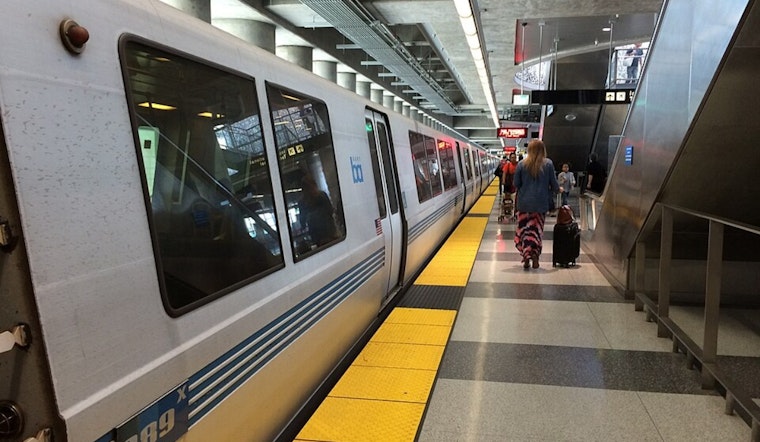
Anyone who has taken BART to San Francisco International Airport knows the drill: you tap in, ride a few stops, and get hit with an extra $5.51 on the fare. Transit officials say most of that add-on covers a recurring rent payment BART sends to the airport, and regional planners are now openly questioning whether that long-standing deal still makes sense. The issue bubbled into public view after a new regional review called out airport leases as a prime target for potential savings.
What's in the surcharge?
According to BART, the San Francisco Airport “base premium” is set at $5.51 per trip, on top of the usual distance-based fares. That premium hits every ride that starts or ends at the SFO station, which is why a short hop to the airport can look strangely expensive compared with the rest of the system.
The rent behind the number
Investor documents from San Francisco International Airport show BART pays about $2.5 million a year in rent for the station, plus roughly $700,000 annually for custodial and electrical support. The airport built the BART station as part of the extension that opened in June 2003, and the lease along with the debt service tied to that project help explain why the surcharge has stuck around even as ridership patterns shift.
MTC urges renegotiation
The Metropolitan Transportation Commission included the SFO arrangement in its draft Financial Efficiency Review, prepared by NelsonNygaard. The report recommends that transit agencies “explore terms” of the lease payment to see whether a renegotiated deal could better reflect the actual costs and benefits for both BART and the airport. That idea sits within a broader list of real-estate moves the draft flags as potential ways to bolster shaky transit budgets.
Will renegotiation lower your fare?
Maybe, but no one is promising cheaper airport trips anytime soon. As the San Francisco Chronicle reported, analysts warn that even if BART’s rent went down, other obligations and debt service could easily soak up much of the savings. BART has previously noted in social media posts, quoted by the Chronicle, that “We are required to pay $2.5 million annually in rent to the airport for 50 years,” a long-term commitment that helps explain why the surcharge is so entrenched.
Why fares have climbed
The airport fee is not the only hit to riders’ wallets. BART has already approved a systemwide 6.2 percent fare increase, effective Jan. 1, 2026, as one step toward closing ongoing operating shortfalls while ridership slowly rebuilds. In its BART announcement, the agency framed the hike as a necessary revenue measure in the face of persistent deficits and rising costs.
What comes next
The Metropolitan Transportation Commission’s oversight committee is slated to review the draft efficiency report on Friday, as regional leaders debate whether a November ballot measure should include new transit funding and whether agencies should accept stricter efficiency and accountability rules in return. A Metropolitan Transportation Commission news release says the Phase 1 draft aligns with near-term strategies and highlights longer-term real estate opportunities that could eventually help ease fare pressure.
For now, though, the SFO surcharge is going nowhere. Any change is likely to come only after slow, detailed negotiations and tough decisions over where to trim costs, what to subsidize, and how to balance riders’ budgets against bond covenants and airport lease obligations.




