

























































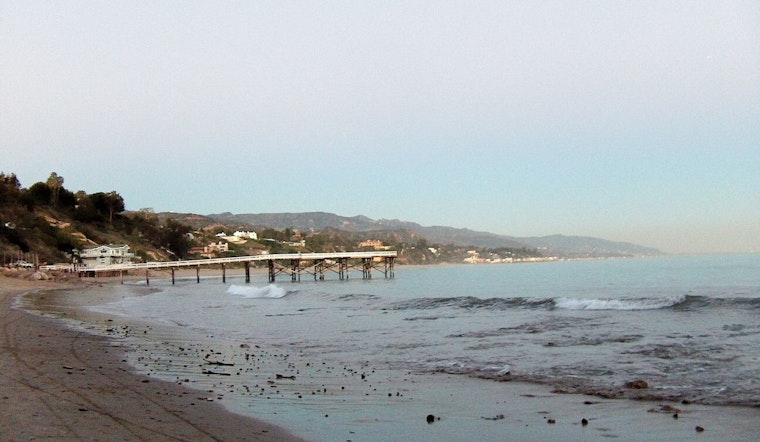
A mellow Malibu beach weekend turned painful for some surfers, as lifeguards and city officials issued a warning after multiple jellyfish stings near Surfrider Beach and flagged an unusually high risk of stingray run-ins in shallow water. Beachgoers were urged to tread carefully in the surf and on the sand while crews kept an eye on changing conditions.
According to the Santa Monica Mirror, the City of Malibu shared a public "heads up" after reports that several surfers were stung at Surfrider Beach and nearby spots. Surfers have been spotting more jellyfish in the line-up than usual, and officials want visitors to know that even tentacles that have washed ashore and detached from the animal can still pack a painful sting.
According to the Los Angeles County Fire Department Lifeguard Division, jellyfish tentacles on the sand can still deliver stings, and lifeguards typically treat those injuries with a saline and vinegar solution rather than fresh water. The division advises staying close to an open lifeguard tower and says anyone experiencing shortness of breath, hives, or other signs of a severe allergic reaction should call 911 immediately.
How To Avoid Stings
To lower your odds of stepping on a ray, shuffle your feet as you walk into shallow water, a move locals know as the "stingray shuffle," so any buried stingrays get a heads-up and a chance to move off. Before paddling out, check in with lifeguards about current hazards. Skip handling any jellyfish that have washed up, since even detached tentacles can sting, and if you do get zapped, rinse the area with ocean water and seek lifeguard help for treatment, as CSULB’s Shark Lab notes.
Why It May Be Getting Worse
According to the San Francisco Chronicle, ocean temperatures off Southern California have been unusually warm this spring, including record readings at Scripps Pier, and scientists warn a marine heat wave could stick around into summer. Shifts like that can push jellyfish and other marine life into new areas, a pattern local lifeguards say may be playing a role in the recent bump in incidents.
Before heading into the water, check in with a lifeguard about current conditions, watch for purple flags that signal dangerous marine life, and report any sting so trained crews can respond. For detailed safety tips and treatment guidance, see the advice from the Los Angeles County Fire Department Lifeguard Division, and call 911 if anyone shows signs of a severe allergic reaction.





