

























































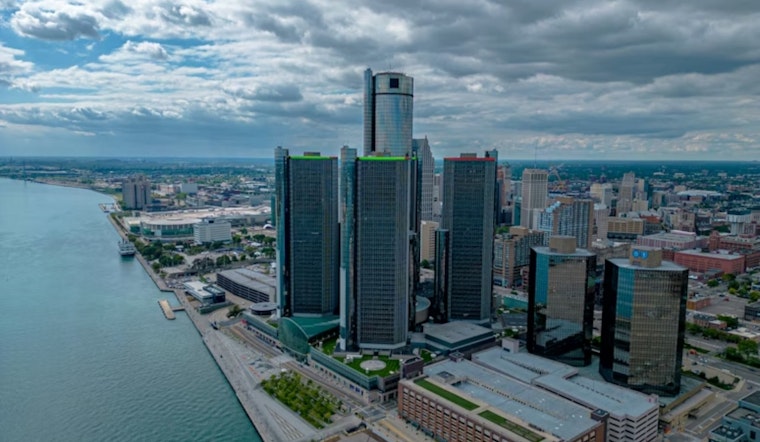
Downtown Detroit’s housing engine is nowhere near tapped out, according to a new analysis that says the city’s core and nearby neighborhoods could absorb roughly 2,000 to 2,500 new homes every year. Over five years, that pencils out to about 10,000 to 13,000 additional units, driven largely by younger renters and buyers who want walkable, mixed-use districts in places like Midtown, Corktown, Eastern Market and New Center. Turning that demand into real buildings, though, will still depend on financing, zoning tweaks and a mix of public and private incentives.
Study Puts Numbers Behind Downtown’s Housing Hunger
According to a report by the Downtown Detroit Partnership (a study produced by Zimmerman/Volk Associates), the Greater Downtown area could absorb on average, between about 1,987 and 2,563 new market-rate and affordable or workforce units per year over the next five years. Within Downtown proper, the study estimates capacity for roughly 729 to 966 new homes annually. Over five years, that works out to roughly 9,935 to 12,815 total new units across Greater Downtown if developers actually build to what the market can handle. The study area includes Midtown, Corktown, Eastern Market, Woodbridge, Rivertown and New Center.
Developers Already Feeding the Pipeline
Private projects are already testing that demand. Brainard Flats, a recently completed 57-unit building in Midtown, is one visible example of fresh inventory. McIntosh Poris notes that the Brainard Flats opened in 2025, while great adaptive-reuse efforts such as the Book Tower conversion have added hundreds of residences to the core, showing that private developers still see an opportunity in downtown housing. Those buildings are part of a broader wave of mid-rise construction and conversion work that developers say is meeting steady demand.
Renters Lead the Pack, With Affordability Still a Big Question
As outlined by the Downtown Detroit Partnership, about 72% of the target market is looking for multifamily rentals, and younger singles and couples make up the largest slice of potential new residents. To fully sustain a vision of a 24/7/365 thriving neighborhood, it is imperative that we increase the number of residents Downtown, DDP CEO Eric B. Larson said in a statement released with the report. At the same time, the study stresses the need for more workforce and permanently affordable units, even as the market-rate side remains strong.
Policy Tools, Cash Sweeteners Already on the Table
Turning pent-up demand into bricks and mortar will take coordinated policy decisions and serious capital. Mayor Mary Sheffield and civic partners have put forward a new growth agenda this spring, including the MoveDetroit coalition’s Make Detroit Home pilot, which is aimed at both keeping current residents and drawing in new ones. As reported by Axios Detroit, the pilot will steer more than $500,000 toward roughly 313 participants, with some applicants eligible for up to $15,000 in stipends. The MoveDetroit site lays out how the program works and what it offers to residents and developers eyeing the city as a place to live or invest.
What Happens Next
The report effectively hands developers, city officials and community groups a data-backed roadmap for where new housing could land and how much the market might realistically absorb. Whether those projections become real buildings will depend on zoning changes, public subsidies and private investment. Crain's Detroit Business and other local outlets have already spotlighted the findings, and the next few months will show whether Detroit’s housing pipeline rises to match the report’s ambitious numbers.





