

























































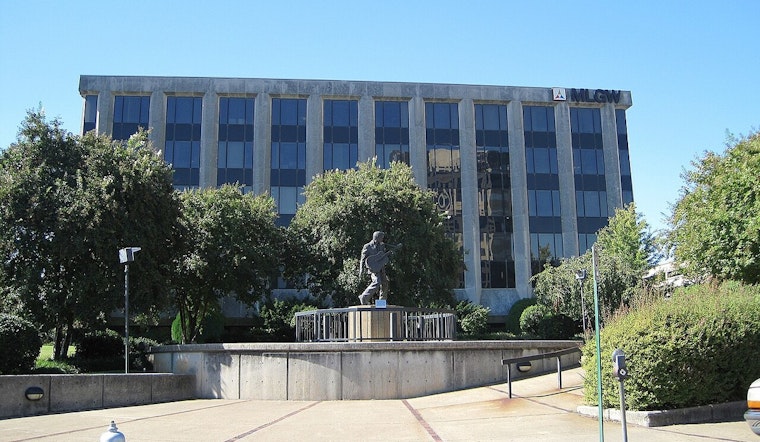
A power struggle over who gets a real say at Memphis Light, Gas & Water flickered in Nashville this year, as state lawmakers weighed a proposal that could have turned suburban advisory seats on the MLGW board into full voting positions. The measure, carried in the House by Rep. Clark Boyd and backed in the Senate, aimed to reshape who sets rates and policies for tens of thousands of customers at a time when storm-related outages and criticism of municipal utilities have put oversight squarely in the spotlight.
What local reporting says
As reported by Daily Memphian, the legislation, associated locally with sponsors Rep. Clark Boyd, R-Lebanon, and Sen. Brent Taylor, R-Eads, was pitched as a way to give suburban ratepayers formal voting power on a utility that serves both Memphis and its surrounding communities. The outlet notes that roughly 30% of MLGW customers live outside the Memphis city limits in the six suburbs and unincorporated Shelby County, a figure suburban leaders routinely cite when they argue for more representation. Supporters say letting those outside customers vote on the board would boost accountability on outages and rate decisions.
Where the bill stood in Nashville
The proposal at the center of the debate, filed in the House as HB2418 with a Senate companion, SB2593, appears in the legislature's public record. The bill text on the Tennessee General Assembly site is tightly written and focuses on a procedural deadline for filling board vacancies. According to the bill PDF, the introduced language changes a 90-day deadline to 95 days for certain municipal utility board actions, a modest tweak that carried significant political baggage. Legislative tracking at LegiScan shows HB2418 failed in the State & Local Government Committee on March 25, 2026.
What supporters argued
Backers framed the push as a matter of basic fairness. As outlined by the Tennessee House Republican Caucus, Rep. Boyd argued that, "Customers who live outside city limits pay the same electric bill rates and endure the same outages as those inside the city, yet have zero say on the board that governs their utility." Supporters told committee members they wanted ratepayers who live in other counties that receive service from a city utility to have a seat at the table, not just an advisory voice.
Local history and earlier pushes
The suburban push is not exactly a new idea. For years, mayors and town councils in Shelby County's suburbs have lobbied for voting seats, while Memphis City Council members have floated competing plans and cast narrow votes on the issue. Coverage of the 2024 council fight describes how a proposed local ordinance and referendum to add suburban voting seats on the MLGW board drew heated debate and ultimately stalled, according to reporting by the Tri-State Defender and earlier Hoodline coverage of the suburban campaign (Germantown's push for representation).
Legal and practical implications
When lawmakers in Nashville described how the idea would work, they outlined a model in which county mayors would appoint new board members from outside a city's limits, and those appointees would not be city employees or receive municipal benefits. Those details, highlighted in Republican caucus materials during the bill's committee run, would alter how municipal utility boards are populated and how accountability is shared across city and county lines. MLGW officials have pushed back in previous local discussions, with MLGW President and CEO Doug McGowen stressing the utility's obligation to protect long-term resources and planning while the governance fight plays out.
What happens next
For now, the legislative vehicle that drew the most attention, HB2418, did not make it out of committee earlier in the session, according to legislative tracking on LegiScan and the public bill text on the Tennessee General Assembly site. Even so, suburban leaders and state lawmakers have signaled they are not done, suggesting they could revive the concept through other bills, amendments, or local referendums. Local outlets are continuing to watch whether the push for suburban voting seats returns in another form. As reported by Daily Memphian, the fight over the MLGW board sits at the intersection of utility governance, local control, and the perennial politics of who pays and who decides.





