

























































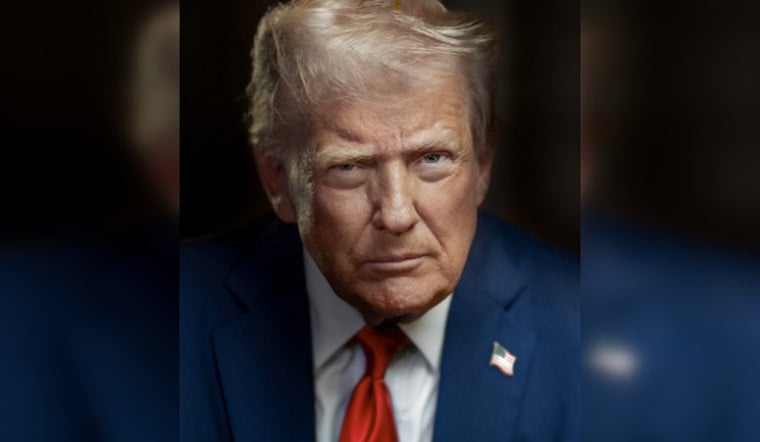
In Washington this week, Syrian-born investors are at the center of a sprawling tale of reconstruction money, high-dollar fundraising and rarefied political access. Their lobbying and promises of multibillion-dollar projects lined up with the repeal of a major Syria sanctions law after language scrapping it was folded into last year’s mammoth defense bill. The result has spotlighted how private foreign capital and face time with lawmakers can reshape U.S. policy on sanctions and rebuilding.
Who the investors are and what they promised
As reported by The New York Times, brothers Moutaz, Ramez and Mohamad al-Khayyat and their business partners were linked to more than $12 billion in government-sponsored reconstruction contracts in Syria. According to the paper, Mohamad al-Khayyat floated a plan for a Trump-branded golf course and actively courted members of Congress as part of an effort to secure a permanent rollback of sanctions that had blocked large-scale rebuilding. Those pitches were aimed in part at persuading international banks to finance reconstruction projects.
What the Caesar Act blocked
The Caesar Syria Civilian Protection Act of 2019 imposed wide sanctions to limit reconstruction funding tied to the Syrian regime and its backers, and it was designed to discourage foreign firms from doing business in regime-controlled parts of the country. According to Congress.gov, the measure was enacted as part of a prior National Defense Authorization Act and set legal and financial barriers that chilled major private investment in Syrian rebuilding. For years, the law forced banks and contractors to treat large reconstruction deals as high-risk or off limits.
How repeal was written into the defense bill
Congress ultimately repealed the Caesar Act by inserting a repeal provision into the Fiscal Year 2026 National Defense Authorization Act, which became Public Law No. 119-60 in December 2025. The enrolled version of the 2026 NDAA contains a section titled "Repeal of Caesar Syria Civilian Protection Act of 2019" and spells out reporting and certification requirements tied to the change. The enrolled text is posted in full on GovInfo for public review.
Earlier congressional moves on repeal
Members of both parties had already been pushing legislative changes to the Caesar law before the NDAA move. A bipartisan repeal effort led by Rep. Pramila Jayapal, joined by lawmakers including Rep. Joe Wilson and others, was announced in June 2025 and framed repeal as a way to give investors certainty, according to a press release from Rep. Jayapal's office. That earlier activity helps explain why repeal language found congressional traction when it was folded into the larger defense bill later in the year.
The New York Times reports that the Khayyats courted at least a dozen members of Congress, attended a candlelight inauguration dinner with a high donation threshold and even presented a framed foundation stone for the proposed Trump golf course. David Warrington, a spokesman for the former president, told The New York Times, "President Trump performs his constitutional duties in an ethically sound manner and to suggest otherwise is either ill-informed or malicious." The Trump Organization also said there was no deal and no discussions underway.
Why investors said repeal mattered
Foreign developers and financial institutions have long balked at underwriting reconstruction in Syria while sweeping sanctions remained on the books. Investors told lawmakers they needed a permanent statutory fix so international banks would feel comfortable extending credit for large infrastructure and energy projects.
Legal and policy implications
The repeal is not an unconditional green light. The enrolled NDAA ties the lifting of Caesar’s restrictions to a schedule of presidential certifications and recurring reports. Under the law, the President must submit an initial unclassified report within 90 days and then a certification every 180 days for four years about Syria’s conduct and counterterrorism cooperation, language that keeps congressional oversight in place. See the enrolled text on GovInfo for the exact statutory language and reporting schedule.
Whether the repeal will produce responsible rebuilding, spur private financing without rewarding malign actors, or invite renewed political scrutiny depends on how strictly the certification and reporting requirements are enforced. For now, the episode is a reminder that big foreign contracts, well-connected intermediaries and political access can converge to rewrite policy in ways that send ripples through finance and foreign-policy circles.





.jpg)