

























































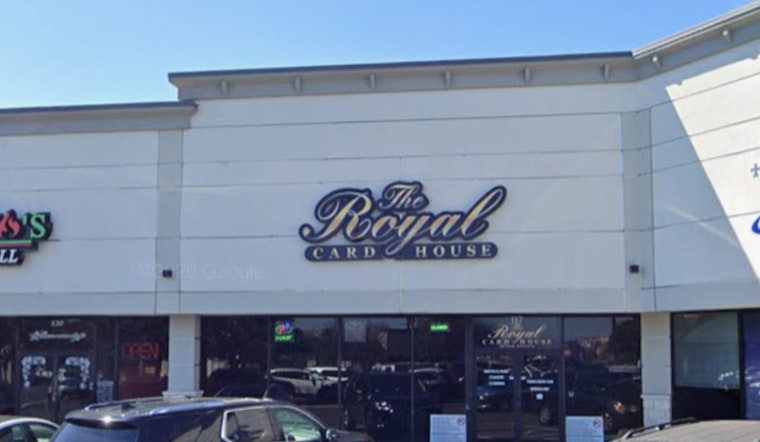
A private, members-only poker room on San Antonio's West Side has landed in Chapter 11 after the state froze its bank account over unpaid sales taxes, cutting off cash for payroll and everyday bills. The Royal Card House says the state’s enforcement move left it with too little money to function, prompting an April 6 filing in federal bankruptcy court and highlighting how tax-collection tools can shove a small business into court even while the doors stay open.
The small-business petition lists the Texas Comptroller as the top unsecured creditor with a $428,000 claim, followed by the U.S. Small Business Administration at $95,000 and a $40,000 merchant-cash advance owed to Superior Capital. The filing reports assets under $50,000 and total debts in the $500,000-to-$1 million range. The Royal Card House says the freeze of its account at Security Service Federal Credit Union forced the bankruptcy move, as reported by the San Antonio Express-News.
The club's attorney told the judge the business had been told when it opened in 2018 that it did not have to collect sales tax on memberships and seat fees, a position the company now labels "wrong" in court papers. A 2022 audit initially found roughly $200,000 in unpaid sales tax, and a later review added about $250,000 more, attorney William Greer told the judge. The filing says the comptroller told the club it would need $40,000 "just to initiate a discussion" about a second installment plan. The company says it borrowed that $40,000 from a merchant-cash-advance lender, only to have the state freeze its account soon after, according to the San Antonio Express-News.
Why seat fees and memberships can be taxable
Texas tax rules treat many "amusement services" as subject to sales tax, including membership dues, initiation fees and other charges for special privileges at private clubs that provide entertainment or recreation. As outlined by the Texas Administrative Code, which is published online by Cornell Law School, the sales price for an amusement service can include dues and other fees required for membership or access.
Bankruptcy docket shows trustee and payroll orders
Federal court records show The Royal Card House LLC's Chapter 11 petition was filed April 6 in the Western District of Texas and assigned case number 26-50915, with Judge Aubrey L. Thomas presiding. Documents on the docket show Subchapter V trustee Eric Terry was appointed and that the court handled an expedited motion to authorize payment of pre-petition employee compensation. The filing lists about 24 full- and part-time staff and sets a creditors' meeting for May 7, 2026. The case summary and recent docket entries are available via BKAlerts.
What this squeeze means for the club and other card rooms
The Royal Card House says it plans to keep operating while it disputes some claims and negotiates a repayment plan under court supervision. According to the Royal Card House, the venue operates as a members-only social club where players pay memberships and seat fees rather than using a traditional casino model, a distinction that sits at the heart of the comptroller's tax case. Other Texas card rooms that rely on similar setups are keeping a close eye on how this plays out, as they navigate audits, enforcement actions and an uneven regulatory landscape.
For employees and members, the Chapter 11 filing buys time but not much certainty. The court has allowed the club to cover pre-petition wages for now, but any final deal will hinge on negotiations among the comptroller, the trustee and other creditors. The case throws a spotlight on how unclear guidance and aggressive collection tools can reshape the business picture for small, membership-based venues in Texas, even when the cards are still on the table.


