

























































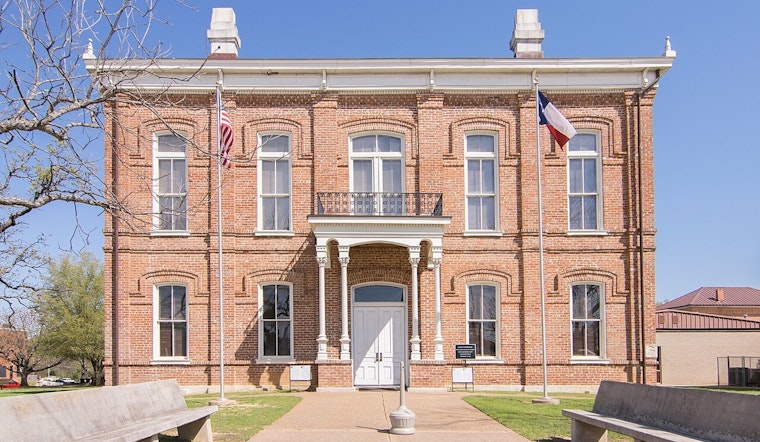
Across rural Texas, small towns that have long prized quiet roads and family farms are suddenly staring down a wave of massive data center proposals, and plenty of folks are not having it. Residents say the projects bring bright lights, nonstop mechanical noise and heavy new demands for water and power that could stretch local services and threaten longstanding ways of life. From Leon and Grimes counties to communities outside Waco and Harlingen, neighbors have quickly formed groups to slow or stop projects they say showed up with little warning. The fight has turned into a homegrown effort to shield generational land from industrial-scale buildouts tied to artificial intelligence and cloud computing.
Data Surge and the Numbers
The scale of the building spree is already huge. Data Center Map lists more than 430 facilities operating across Texas today. A year-end industry report from JLL says continued gigawatt-scale construction could let Texas overtake Northern Virginia as the world’s largest data center market by 2030. For farming counties used to slow, predictable growth, the sudden appearance of developers, site scouts and lease offers has become front-page material and a regular topic at kitchen tables and feed stores.
Big Project, Bigger Worries in Leon County
In Leon County, the flashpoint is a large campus locals know as the Kahla project, with local reporting describing Belltown Power’s plan as a roughly 900-acre, 1,500-megawatt build. Neighbors have been handing out “No Data Center” flyers, packing community meetings and warning that a complex of that size would mean permanent industrial lighting, around-the-clock mechanical noise and new pressure on already limited groundwater. Coverage from KBTX and KXXV shows residents circulating petitions and organizing town halls as they push county officials to explain the deal and spell out any conditions that might be attached before the project can move forward.
Grassroots Pushback Crosses County Lines
Similar scenes are playing out across the state, as dozens of citizen groups link up to trade information and strategy. "We are truly being invaded by big tech," Marie Egyed, a co-founder of Grimes County Citizens for Responsible Development, told the Houston Chronicle, which reported roughly 300 people turned out for the group’s first community meeting. In other counties, residents echo the same list of worries: loss of productive farmland, public-safety questions around huge new facilities and the environmental toll of large, 24/7 computing hubs that never really shut down.
What Local Governments Can and Can't Do
County officials often argue that Texas law and private property rights limit how much they can flat-out block projects, especially when developers stay inside existing zoning and siting rules. Even so, local governments are not entirely powerless. Van Zandt County commissioners approved an indefinite pause on new green energy projects in February while the attorney general’s office reviews safety and other impacts, KLTV reported. Statewide reporting from the Texas Tribune notes that counties can also refuse tax abatements or attach strings to incentive packages, using those deals to secure money for roads, fire protection and water studies.
For now, opponents insist they are not backing down. "We'll make a stand until they run bulldozers through the pastures," Leon County resident Daniel McCoslin told KBTX as neighbors rallied with petitions and town halls. Whether state leaders move to add new guardrails or not, the coming months will test whether small Texas counties can slow a surge of gigawatt-scale projects, or whether developers keep landing in places where the grid, water supply and local politics line up for a massive build.





.jpg)