

























































Tigard voters will decide on May 19 whether to sign off on roughly $150 million for a single, modern complex that would replace the city’s aging police and public works buildings. City leaders say the current stations, built more than 40 years ago, are overcrowded, prone to leaks and not designed to stay operational after a major earthquake. The city estimates the net tax increase for the average homeowner would be about $14 a month.
Why city officials say the upgrade is urgent
Mayor Yi‑Kang Hu told attendees at his State of the City address that the existing emergency operations center “is not built to withstand an earthquake” and does not have the capacity to house the first responders Tigard would need in a serious emergency. Police Chief Jamey McDonald said the station has been squeezed by decades of growth, noting the building was constructed for roughly 25 officers but now holds 76 police positions. He added that evidence is being stored off site, which complicates investigations. Those remarks and resident reactions were reported by KATU.
What the bond would pay for
The proposal, described as a roughly $150 million project on the city’s project page, would pay for a new combined police, public works and emergency operations facility. Plans call for secure evidence storage, training space and infrastructure designed to keep running after disasters. The City of Tigard says the measure would also include independent audits and other accountability measures, and estimates the consolidated facility could be ready for use sometime in mid to late 2028 if construction begins soon after the vote. These details are outlined by the City of Tigard.
Where the city plans to build
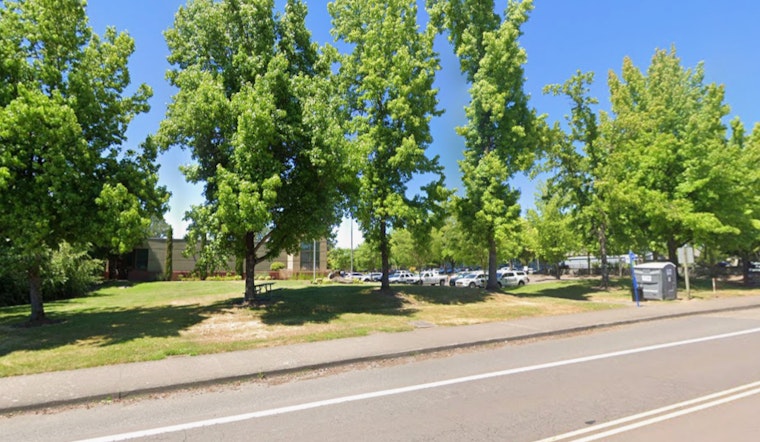
City records and council materials show Tigard purchased about 9.5 acres on SW Wall Street off Hunziker Road in spring 2024 as the leading site for the new consolidated facility. Meeting packets and other public records describe the acquisition and the early planning steps the city has taken to evaluate whether the property fits the project’s needs, while local reporting has tied the complex to the broader “Building a Better Tigard” rollout. See the council packet and local coverage for background: Tigard City Council and Building a Better Tigard rollout.
Pushback from residents and editorial critics
Not everyone is sold on the plan or the chosen parcel. An editorial critic questioned taking commercial land off the tax rolls and argued the site choice and overall price tag deserve a closer look, while some residents say they oppose any new taxes even if they agree staffing and safety issues are real. Those objections and local comments surfaced in reporting on the mayor’s address and the bond debate by KATU.
How much could homeowners pay?
City presentations have outlined a range of possible costs depending on how long the bond runs. Officials and news coverage have noted that a 20 year bond would mean higher monthly payments, while a 30 year term would lower near term costs but stretch them out longer. Earlier local reporting also showed the proposed facility at around 120,000 square feet and offered example monthly scenarios for homeowners under different bond lengths. For context on the term options and the 3D model presented to neighbors, see KPTV, and for the city’s estimate of net tax impact see the City of Tigard project page.
What happens next
The bond will appear on the May 19, 2026 Primary Election ballot, and Washington County’s elections office lists the primary date along with drop box locations for voters. The city plans additional public briefings and community outreach as the vote approaches, with an explanatory statement and other materials available from election officials and the city. For election logistics and county resources, refer to Washington County Elections.





