

























































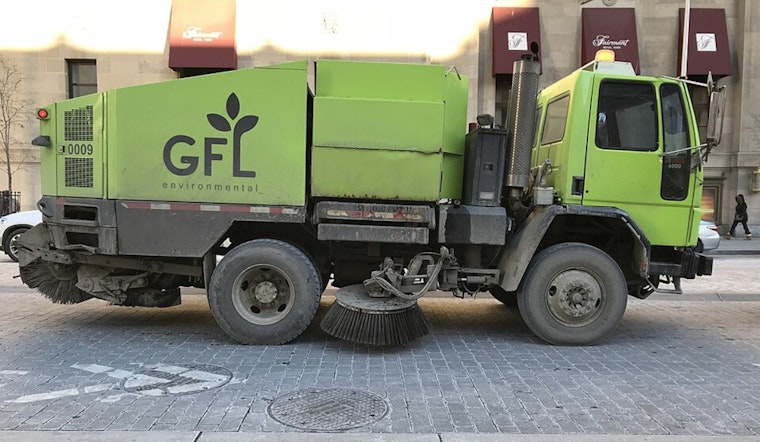
GFL Environmental has officially dropped about $900 million on Dallas-based Frontier Waste Solutions, closing the deal yesterday. The purchase brings 24 operating sites, more than 650 specialized vehicles and nearly 1,000 employees into GFL’s U.S. fold and sharply tightens its grip on the Texas Triangle of Dallas-Fort Worth, Houston and San Antonio/Austin. It also adds a North Texas disposal asset that could nudge local tipping dynamics in a new direction. GFL executives say the move is all about clustering routes and pulling more waste into company-owned landfills, but the real test will be how smoothly they absorb a big workforce and a complicated book of municipal contracts. Local haulers and city procurement teams should brace for a more intense competitive landscape as these new assets get fully integrated.
Deal details and scale
In a press release, GFL Environmental said Frontier’s network brings 24 sites, supported by a fleet of more than 650 vehicles and "nearly 1,000" employees, into the system. The company also said its year-to-date tuck-in deals are expected to add between $425 million and $450 million in aggregate annualized revenue. MarketMinute reported that the Frontier transaction itself was valued at about $900 million and included 2,582,463 subordinate voting shares as part of the payment. Founder and CEO Patrick Dovigi described the purchase as a "densification" of GFL’s southern footprint and said Frontier’s senior leadership team will keep running the business on the combined platform. According to the company, the acquisitions were financed with a mix of GFL’s existing credit facility, cash on hand and newly issued shares.
Why the Texas Triangle matters
Industry observers have been watching the Texas Triangle closely, since it is widely viewed as one of the fastest growing and most hotly contested waste markets in the country. In this corridor, controlling both collection routes and disposal capacity can fatten margins in a hurry. Resource Recycling noted that the Frontier purchase is GFL’s eighth tuck-in of 2026 and said the deal sharpens the company’s competitive edge across Texas. Bloomberg reported the transaction was believed to be worth roughly $900 million, underscoring how prized vertically integrated footprints have become for companies chasing municipal contracts in Sunbelt growth corridors.
Financing, leadership and integration
GFL said Frontier CEO John Gustafson and other shareholders rolled US$100 million of their proceeds into GFL subordinate voting shares, a structure the buyer says will help align incentives as the integration unfolds, according to the company’s announcement. The same release reaffirmed GFL’s target of keeping 2026 net leverage in the low-to-mid 3s while it absorbs the new operations. In the near term, the heavy lift will be integrating nearly 1,000 employees and a fleet that tops 650 vehicles, then turning that added route density into real-world cost savings.
What local haulers and cities should expect
Analysts say this deal turns up the heat on independent haulers across the Texas Triangle, who could find it tougher to match GFL on price or secure landfill access on favorable terms. MarketMinute suggested that municipal procurement teams may soon see fewer bidders on long-term contracts as GFL internalizes more disposal and uses route clustering to stretch its margins. Major rivals Waste Management and Republic Services now confront a denser GFL presence in markets where they have long dominated, which could trigger more aggressive bidding wars and potentially further consolidation.
Landfill asset and sustainability upside
The Frontier package also includes the 380 McKinney C&D landfill, a Type IV construction-and-demolition site that hands GFL direct disposal capacity in North Texas. Waste360 previously covered Frontier’s acquisition of the landfill, and permit records with the Texas Commission on Environmental Quality show the transfer approvals. GFL’s public filings indicate that landfill-to-RNG development sits in the company’s longer-term playbook, which could eventually open a path to higher-margin energy revenue from disposal sites it acquires, according to its SEC disclosures.
Looking ahead
GFL has told investors it expects to raise its guidance when it reports first-quarter results later this month, and analysts will be combing through those Q1 numbers for early signs that these acquisitions are delivering the promised revenue growth and margin lift. Investing.com highlighted the company’s intention to stick with its leverage targets even as it continues to push an active M&A agenda. For city procurement teams, haulers and businesses across the Texas Triangle, the immediate takeaway is simple enough: the market just got more consolidated, and that shift is likely to show up in bid lists, pricing structures and service negotiations over the coming months.





