

























































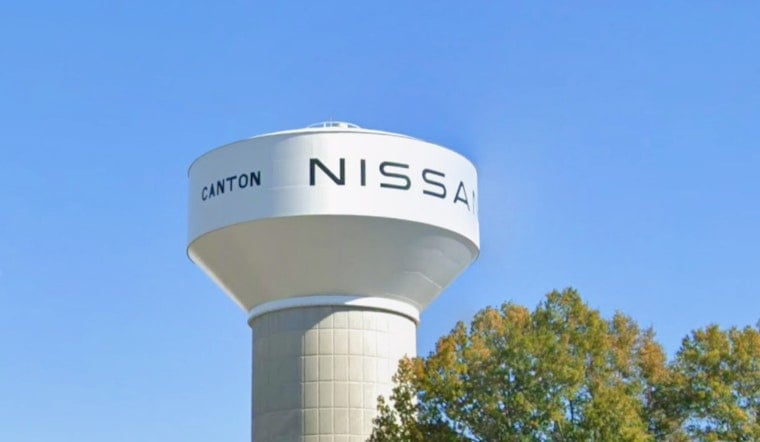
President Donald Trump on Wednesday publicly cheered Nissan's push to shift more vehicle production to the United States, crediting tariff pressure and singling out Nissan Americas chairman Christian Meunier by name. Nissan has told investors and reporters that it has sharply increased the share of cars sold in the U.S. that are built domestically, is planning to roll out new hybrid technology within roughly 18 months, and is retooling its Canton, Mississippi, plant for electric-vehicle production. All of that is happening while the company pursues a global recovery plan that will cut capacity and jobs worldwide.
Trump's public shout-out
Trump took to Truth Social to weigh in, writing, "Wow! Congratulations to Nissan, and Christian Meunier, Americas Chairman, on the tremendous success they are having in the U.S...." as reported by the Denver Gazette. The post landed shortly after comments from Nissan executives and was quickly picked up by national business outlets, framing the automaker's moves as a validation of the administration's trade playbook.
What Nissan executives are saying
In a Fox Business interview, Meunier said tariffs have reshaped the math for automakers, arguing they are "really pushing all the manufacturers to do the right thing, which is really to build locally and to sell in the U.S." He said Nissan has lifted the share of U.S.-sold vehicles that are made domestically from about 45% a year ago to more than two-thirds today, with a target of roughly 80%. Meunier added that the company expects to launch new hybrid technology within the next 18 months and that it plans to expand hiring tied to its U.S. production buildout.
Canton retooling and a U.S. battery pact
Nissan has committed approximately $500 million to retool its Canton Assembly Plant in Mississippi for electric-vehicle production, a serious upgrade for a site that has long been a major regional employer. The company has also lined up a battery-supply deal that will send U.S.-manufactured cells to vehicles built there.
The SK On agreement and Nissan's description of the Canton investment were laid out in a company release published via BusinessWire. The pact is described as supporting roughly 1,700 jobs at the battery supplier, with U.S.-made cells slated for the Canton line starting in 2028.
Restructuring, plant closures and job cuts
Those new U.S. dollars are part of a far more sobering global picture. Nissan's Re: Nissan restructuring plan calls for consolidating production and shrinking its global headcount in an effort to restore profitability. Industry reporting indicates the company plans to reduce its number of plants from 17 to 10 and to cut roughly 20,000 positions worldwide as part of the plan, according to coverage by WardsAuto.
The Associated Press has also reported on the reductions and noted that trade-policy shifts, including recent tariffs, have been a material factor in Nissan's financial results.
Policy backdrop: tariffs and incentives
The administration's mix of tariffs and incentives is designed to reshape where and how automakers invest. The policy package includes offsets and other adjustments intended to nudge companies toward U.S. assembly plants and domestic supply chains rather than overseas production. The White House laid out that framework in a fact sheet that describes how the measures are meant to boost domestic manufacturing and U.S.-based jobs.
For communities from Canton to supplier towns around the Nashville area, the combination of fresh EV investment and sweeping global downsizing creates a complicated local reality. Nissan employs roughly 20,000 people in the United States, a figure cited in national coverage of the company's recent remarks and plans, and local hiring tied to new battery and EV lines could offset some losses depending on which facilities are retooled and which are shut down. In the coming months, industry watchers will be tracking production timetables, hybrid rollouts, and Nissan's list of specific plant changes to see how those trade-offs land on the ground.





