

























































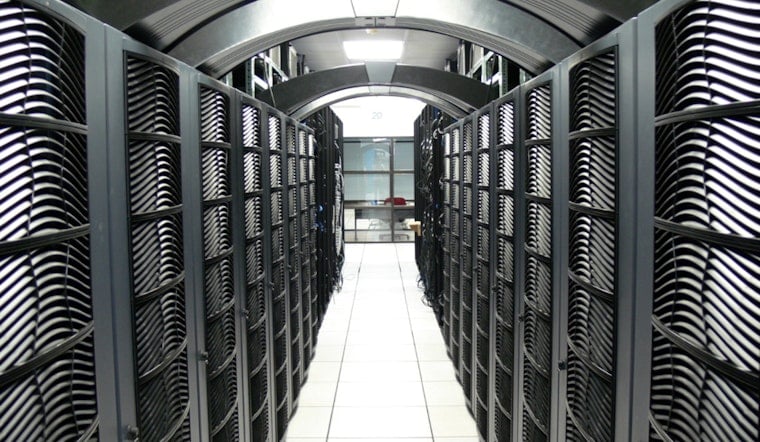
Electric bills are spiking across the country, and a lot of households say the jump has been anything but subtle. One fast-growing suspect is the nationwide race to build massive AI data centers that devour electricity at a scale most cities would be jealous of.
Consumer Reports found that residential electricity prices rose about 7.1 percent in 2025 and shot past 20 percent in some states. The report points to Virginians such as Manassas resident John Steinbach, who says his winter bills nearly doubled, and it warns that utilities may try to recover the cost of new power infrastructure in future rate cases that affect everyday customers.
How Big Is the Buildout?
Massive computing campuses do not run on vibes. They run on power, and a lot of it. According to Lawrence Berkeley National Laboratory, U.S. data centers used about 4.4 percent of the nation’s electricity in 2023. By 2028, that share could climb to somewhere between 6.7 percent and 12 percent of total demand.
That kind of growth is already rippling through wholesale markets. A Bloomberg analysis found that wholesale prices at some grid nodes near big data center clusters rose as much as 267 percent over five years.
Why Your Bill Can Rise
To keep AI campuses humming, utilities often need to build new transmission lines, substations and sometimes even dedicated power plants. Those are expensive projects, and under the traditional utility model companies can seek to recover those costs through rate filings that spread the tab across customers.
Harvard Law’s Electricity Law Initiative director Ari Peskoe warns that “facilities under development right now will use more energy than large cities,” and says that long-standing utility rules tend to push the cost of that buildout onto ratepayers. As political pressure grows, state reporters and analysts are taking a closer look at utilities’ returns and at the special contracts being struck to serve data centers.
Regulators, Companies and the EPA
In March, major tech firms went to the White House and signed a so-called “ratepayer protection” pledge that promises to “build, bring or buy” power for new data centers. Energy analysts are not exactly popping champagne over it. They point out that a pledge does not speed up the hard work of building new plants and transmission, according to Reuters.
The U.S. Environmental Protection Agency has also weighed in. The agency has published Clean Air Act resources for data centers and clarified that stationary gas turbines and other combustion sources used for on-site generation are subject to air permitting rules and federal standards.
What Consumers Can Do
Utilities generally need approval from state public utility commissions before they can change retail rates. Regular customers are allowed into that process. They can attend hearings, submit comments or file complaints, Consumer Reports notes.
The U.S. Energy Information Administration’s monthly electricity update shows that retail revenues and average residential prices have climbed in recent periods. For anyone staring down a bigger bill, keeping an eye on local commission dockets and any rate case tied to nearby data center projects is a practical way to stay in the loop.
The fight over who ultimately pays for the AI era’s power needs, whether utilities, tech companies or everyday ratepayers, is already unfolding in commission hearing rooms, statehouses and federal forums. For many communities, including parts of Virginia, the argument is not abstract. If your bill suddenly spiked, it is worth watching for upcoming PUC filings and project disclosures tied to data center plans in your backyard.





