

























































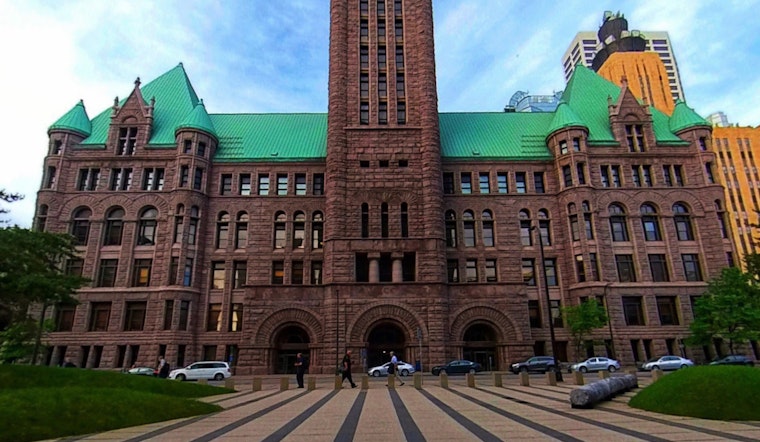
Two Vail Communities clubhouses, the Uptown site in Minneapolis and the Ramsey County clubhouse in St. Paul, are staring at possible closure after the Minnesota Department of Human Services told the nonprofit it will not renew the state contract that helps run those locations. The funding is scheduled to end on June 30, 2026, leaving hundreds of people who rely on daily peer supports, meals, and work-centered programming wondering what will happen to their routines if the doors close.
Vail Communities says the state money that supported the Minneapolis and St. Paul clubhouses will stop at the end of June, and that roughly 500 to 600 active members use those two locations. Members have described the sites as nothing short of lifesaving, with one person crediting the clubhouse for getting her "out back into the world" and another saying it made them "not feel alone anymore." Senior director Chad Bolstrom said Vail's original Hopkins clubhouse will keep county funding, but the Uptown and Ramsey sites "are at risk" without the state contract, as reported by MinnPost.
In an April 10 press release, Vail Communities said it was formally notified that the Department of Human Services would not renew the single-source contract and that requests for short-term "bridge" funding were denied. The nonprofit warned that losing Uptown and Ramsey would uproot daily services such as meals, peer employment support, and work ordered days that many members build their entire week around. Earlier reporting by MinnPost put the rough cost to run both sites for a year at about $900,000, a sum Vail leaders say would be tough to replace without state or county support.
The department told Vail the move followed scrutiny after a January 2026 performance audit by the Office of the Legislative Auditor that found the Behavioral Health Administration "used single source grants when they were not justified" and urged better documentation and internal controls. The OLA recommendations say the Behavioral Health Administration should use single source grants only when "just one entity is reasonably able to meet the grant’s purpose and objective" and should document the reasons for doing so. The Office of the Legislative Auditor report is a central part of the department's explanation.
What Happens Next
State officials told reporters they plan to issue a competitive RFP to support "clubhouse type" programming. Still, they said funding tied to that process would not be available until the beginning of 2027. A DHS spokesperson also told reporters the department "works to ensure continuity of care for the participants of programs that face a disruption," but did not offer concrete short-term plans to replace the lost dollars. That timing, with a funding gap through next year, is what Vail leaders say leaves little runway to keep the two sites open past June 30, as reported by KSTP.
Community Reaction and Stakes
Local advocates, including NAMI Minnesota, have been sounding alarms and calling for quick action to prevent disruption. They argue that clubhouses provide low cost supports that keep people out of hospitals and help stabilize housing and employment, a high impact return on relatively modest money. NAMI's leaders called the programs "critical" and urged state and county officials to identify near term solutions that prevent disruption to participants who depend on daily services. Community partners and some county representatives are weighing whether they can step in to fill the gap while the state develops a longer term procurement process, according to NAMI Minnesota.
Policy and Legal Questions
The Office of the Legislative Auditor's recommendations spotlight why DHS officials say they could not simply extend a single source grant. Auditors urged tighter compliance with state procurement rules and better documentation when sole source awards are used, along with stronger internal controls and more timely grantee evaluations. State leaders say they are working to implement those steps. Whether the audit's findings required the department to pause the contract is now a central policy question as advocates press for short term exceptions or county support, per the OLA recommendations.
For now, Vail leaders are pressing county and state officials for stopgap support while the state designs a longer procurement process, and members say any gap in services would be devastating. State officials and Vail say they will continue discussions through the spring as the June 30 deadline approaches, with hundreds of clubhouse members effectively waiting to see if their community survives the budget math.





