

























































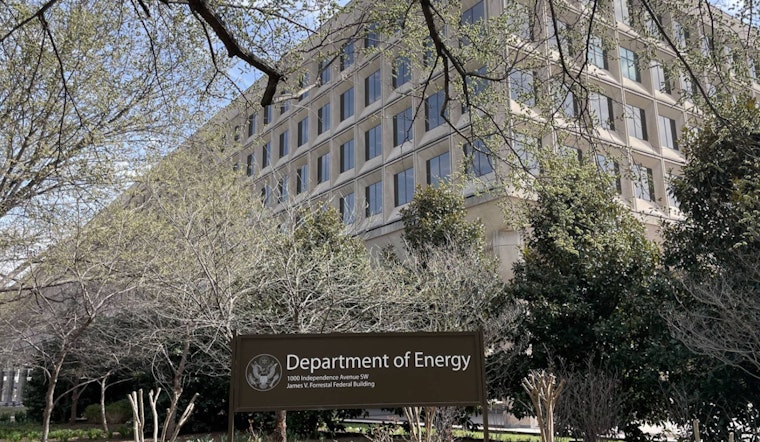
A senior U.S. delegation touched down in Caracas on Thursday, April 30, 2026, pressing Venezuelan officials and international energy companies to lock in memorandums aimed at reviving the country's oil and mining sectors. The visit, led by officials tied to the White House energy apparatus, marks a rapid commercial reengagement after the political turmoil in January and the reopening of diplomatic channels. South Florida, with its large Venezuelan community and newly renewed Miami–Caracas connections, is positioned on the front line for any economic fallout or windfall.
According to the Miami Herald, the talks are expected to produce memorandums of understanding that cover oil and key minerals such as gold and aluminum and, potentially, coal. The Herald reports that the first round of agreements is likely to emphasize stabilizing current production, including rehabilitating aging fields, boosting refining capacity and restoring the power grid, instead of chasing instant output spikes. A senior U.S. energy official told the paper that "production has already begun to increase," while cautioning that any durable recovery will still demand years of investment and clearer governance rules.
Who's in the room
On the U.S. side, White House energy figures and members of the National Energy Dominance Council are sharing the ground with executives from major oil and service firms, including Hunt Oil, Repsol, Eni and Halliburton, according to E&E News. The mix of government officials and corporate players highlights that this is both a diplomatic mission and a sales pitch that aims to give companies a legal and commercial structure for reentering Venezuela. Industry officials say the memorandums would primarily pave the way for preliminary negotiations and offtake discussions, rather than greenlighting immediate investment.
What the deals aim to do
For now, officials describe the prospective pacts as a stabilization project. The focus is on plugging neglected wells, repairing processing units and shoring up electricity supplies that keep refineries and pumping stations running, not on flipping a switch to flood markets with new barrels. The approach acknowledges that Venezuela still holds enormous reserves but is struggling with battered infrastructure. Bringing heavy, degraded fields back into reliable operation will take time, specialized technology and substantial capital. Even in optimistic scenarios, analysts note that any major increase in exports would likely be counted in years, not weeks.
Why mining is messy
The mining side of the talks comes with its own tangle of problems. Much of Venezuela's gold output flows from the Orinoco Mining Arc, a vast and sparsely governed region that has long been linked to illegal operations run by armed groups, local syndicates and networks with military ties. Human-rights groups and reporters have documented deforestation, mercury contamination and labor abuses in the area, complicating efforts to build transparent supply chains for global buyers. That reality, highlighted by AP photo reporting and academic and NGO analysis, makes due diligence expensive and exposes companies to reputational and legal risk if they move ahead without rigorous safeguards.
Legal and market hurdles
Washington has opened a narrow window for these conversations. This spring, the U.S. Treasury's Office of Foreign Assets Control issued a series of Venezuela-related general licenses that explicitly authorize certain negotiations and other preliminary commercial activities, while keeping final approvals on a case-by-case leash. The OFAC guidance sets out reporting requirements and conditions intended to limit payments to blocked actors, but compliance obligations and opaque chains of title still pose serious obstacles to fast investment, according to U.S. Treasury/OFAC. For many firms, the unresolved question is whether legal protections, insurance and fully traceable supply chains are enough to balance operational and reputational risk.
What it means for Miami
For Miami, a long-standing hub for Venezuelan businesses, remittances and travel, the high-level visit is a tangible sign that Washington and Caracas are moving quickly toward more normal trade ties. American Airlines has scheduled the first direct U.S.–Caracas commercial flight in seven years to land on April 30, 2026, underscoring how the logistics between the two countries are already shifting, according to the AP. Whether this week’s memorandums eventually translate into investment, jobs and cleaner supply chains will hinge on months of follow up, security guarantees in mining regions and company-by-company risk calculations. For now, the trip amounts to a high stakes opening handshake that could reshape a market that has been closed to most U.S. capital for years.


