

























































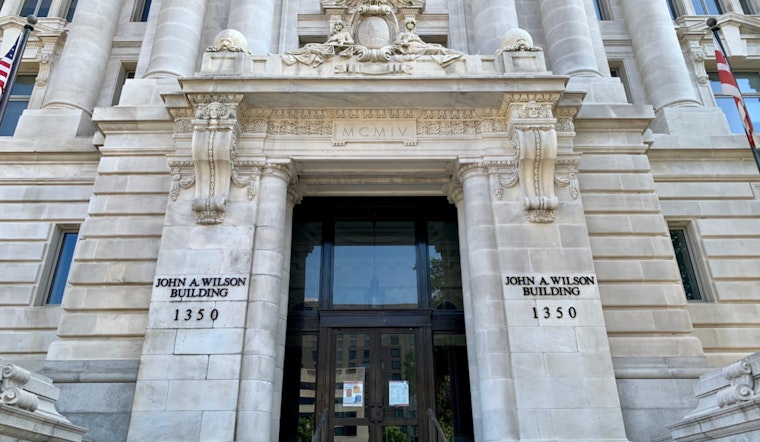
The D.C. Council has thrown its support behind a tenant-protection bill that targets a growing source of sticker shock for renters: extra monthly charges for lobbies, hallways and other shared spaces. The measure, which took a unanimous first vote this week, aims to stop so-called common-area and vacancy fees that can quietly add hundreds of dollars to a tenant's housing costs.
The Fair Housing Practices Amendment Act of 2026, introduced by Ward 6 Councilmember Charles Allen, would bar owners and managers of multifamily buildings from separately billing tenants each month for utilities that serve common areas or vacant units, according to Charles Allen. Roll-call records show the bill received unanimous initial approval on May 5, per LegiScan.
Why tenants pushed for the change
For many renters, the problem has not just been the fees themselves, but how unpredictable they can be. Residents and tenant advocates say the charges are often calculated using Ratio Utility Billing Systems (RUBS), which divide up a building's master utility bill among apartments using formulas instead of individual meters.
The Office of the Attorney General warned in a May 16, 2025 advisory that RUBS can produce "higher than expected" charges and urged landlords to spell out their billing methods and provide past utility bills to prospective renters, according to the Office of the Attorney General. Lawsuits and consumer complaints in D.C. have flagged similar concerns, with watchdog reporting and legal filings describing steep spikes and alleged nondisclosure, as outlined by ClassAction.org.
What comes next
The bill is not law yet. The Council still has to take a second and final vote, and a passed measure would then head to the mayor's desk for a signature, per reporting by WUSA9. As the bill moved through the chamber, the Council also adopted an amendment on June 2, according to the legislative record on LegiScan.
Enforcement and legal stakes
The bill's language would require housing providers to notify former tenants of any unpaid amounts within 45 days of move-out and to obtain proof of service at least 60 days before sending an unpaid balance to collections, provisions visible in the bill text on the D.C. Council site. Those kinds of disclosures track with recommendations from the attorney general's advisory and, advocates say, could give tenants clearer footing to contest unexpected bills, as reflected in recent legal filings and reporting summarized by ClassAction.org.
If enacted, enforcement could play out through consumer-protection channels and private lawsuits that claim landlords failed to disclose the full "applicable rent." "The rent is the rent, or at least it should be," Allen said in a press statement, according to Charles Allen. Tenants and landlords alike will be watching closely as advocates push for clearer billing rules and property managers warn of potential cost‑shifts if the reform is implemented too broadly.




