

























































Chimney Hollow Reservoir, the massive new dam project southwest of Loveland, is finally about to see some water. Next week, managers will launch a cautious test fill while they try to answer the question that has everyone on edge: how much uranium is going to leach out of the rock used to build this thing?
Small Test Fill, Big Scrutiny
As reported by CBS Colorado, Northern Water plans to bring roughly 1,500 acre-feet of water into Chimney Hollow next week, about 2% of the reservoir’s 90,000 acre-foot capacity. That limited first fill is strictly for sampling and equipment checks.
The utility has told reporters that the incoming water will be analyzed for uranium and that none of it will be delivered to participant cities during this phase. The initial fill will also give engineers a chance to verify operational systems using water piped in from nearby Pinewood Reservoir.
Where The Uranium Came From
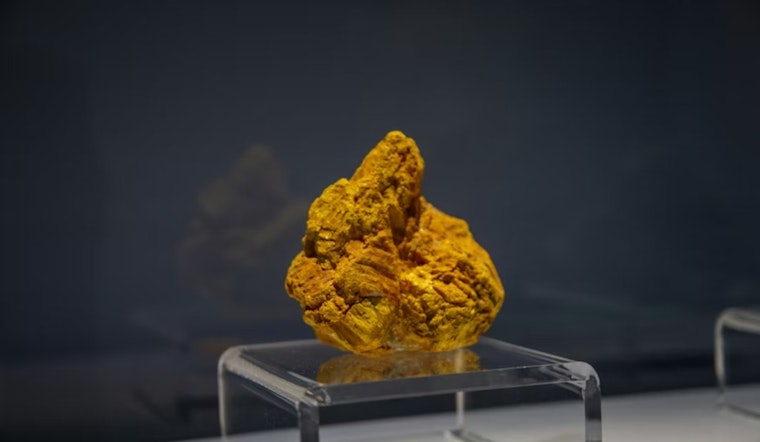
Project managers have traced the mineralized uranium to granitic rock that was quarried on site during construction. They are running geochemical testing and modeling to predict how much uranium could leach into the water over time, according to Northern Water.
A project FAQ provided to local governments notes that an emergency-discharge sample taken in 2023 showed uranium at about 225 micrograms per liter, far above the federal drinking water standard. Later readings have been episodic, which has prompted expanded investigation and scoping of possible mitigation. Northern Water says it expects leaching to decrease as time passes, but the length and scale of that process remain unclear and will require more data.
What This Means For Taps And Towns
Chimney Hollow was built to store water for a dozen Front Range participants, including Loveland, Longmont, and Broomfield. None of those communities will receive water from the new reservoir until testing shows it meets safety standards.
The Town of Superior, one of the project participants, has told residents it anticipates needing treatment for some level of uranium and that its water treatment plant is equipped to remove contaminants to below federal limits. The Environmental Protection Agency’s maximum contaminant level for uranium in drinking water is 30 micrograms per liter, a benchmark that will guide any decisions about releasing water or requiring treatment before it reaches customer taps.
Next Steps And Oversight
Reporting and analysis show that managers are considering several mitigation paths, from targeted treatment to dilution strategies and operational controls, with monitoring and modeling continuing as the primary next steps, according to Water Education Colorado.
Northern Water has framed the uranium discovery as a serious but manageable setback while project participants sort through their options. Officials expect the sequence of test fills and data collection to continue through 2026, a period that will determine whether additional treatment systems or operational constraints are needed before Chimney Hollow is allowed to move into full service.




