

























































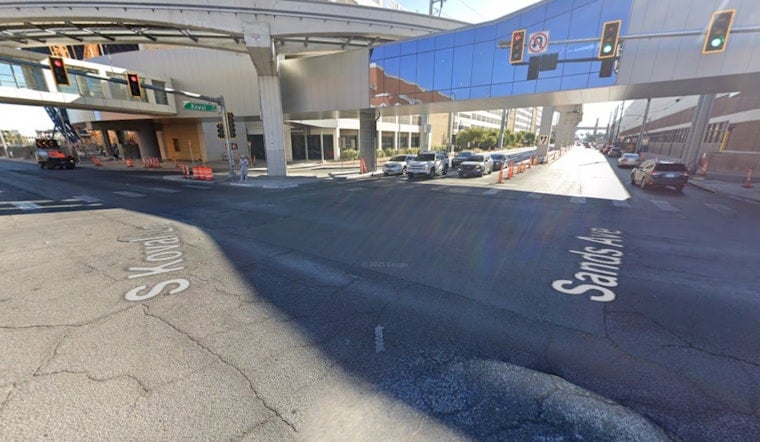
A longtime Las Vegas cabbie says a remotely operated rental car blew a red light near the Sphere and sliced in front of his taxi, turning a routine Strip run into a near-miss he will not forget anytime soon. The driver says he had the green at Sands Avenue and Koval Lane, two passengers in the back, and just enough time to stomp the brakes as the rental crossed his path. The close call, caught on a Desert Cab dashcam, is now feeding fresh skepticism about teledriving services mixing into already hectic Strip traffic.
According to FOX5, the driver, Yonas Asres, who has logged roughly three decades on Las Vegas roads, shared video that appears to show his taxi facing a green signal while a Vay-branded vehicle moves through the intersection in front of him. Vay told the station that its remote drivers receive professional training and said an internal review concluded the incident was caused by human error rather than any technical systems failure. The company added that it would not release further specifics and declined follow-up questions from the reporter.
Vay's footprint in Las Vegas
Vay operates an app-based teledriving rental service and says it is now live in Las Vegas, where remote operators deliver electric vehicles to customers before handing over control to renters. On its technology page, the company describes Remote Driving Stations, multi-network connectivity and fail-safe protocols, and says its Remote Drivers go through extensive training and continuous evaluation. For more on the company's tech and safety claims, see Vay.
Driver reaction
Asres told FOX5 the move felt "very dangerous" and said his passengers were angry after the scare. In roughly 30 years behind the wheel, he said, he had never seen anything quite like it, and watching the replay has left him uneasy about remote operators trying to thread through busy Strip intersections from behind a screen somewhere else.
Remote driving's foothold on the Strip
Remote driving and partial robotaxi setups have been steadily creeping into the Las Vegas market as startups test teledriving and on-demand rental concepts on high-traffic tourist routes. TechCrunch has covered Vay's U.S. rollout and funding partners as part of a wider shift toward tele-driven mobility services that lean on remote humans rather than fully autonomous software.
Vay says it is taking the incident seriously and will continue reviewing its procedures, but for now is keeping additional details to itself. For Strip drivers and riders stuck at the same intersections, the dashcam clip is a blunt reminder that experimental mobility services are already sharing the roadway with old-school taxis and rideshares, while the rules and oversight for that high-tech traffic are still very much a work in progress.





