

























































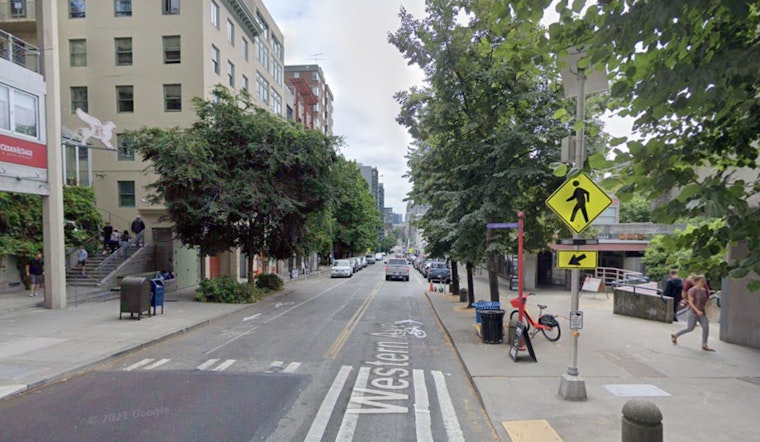
A downtown Seattle building in the 1500 block of Western Avenue was cleared out after firefighters detected dangerous carbon monoxide levels on multiple floors, prompting a full evacuation and rapid ventilation effort. Crews traced the highest readings to areas where gas-powered construction tools had been used, then pushed everyone outside while they flushed the building with fresh air. Officials reported no injuries and said there was no evidence of a natural gas leak.
Emergency response and initial findings
According to the Seattle Fire Department, firefighters found gas-powered construction tools inside and evacuated the entire structure as a precaution. The department said carbon monoxide levels were highest in rooms where those tools had been operating, so crews focused on ventilating those hot spots first while monitoring the rest of the building. No injuries were reported, the department noted.
How gas-powered tools produce carbon monoxide
Carbon monoxide is a colorless, odorless gas created by incomplete combustion, and small gasoline-powered equipment such as generators, concrete saws and pressure washers can quickly build up dangerous concentrations indoors. The Washington State Department of Health warns that CO can reach life-threatening levels in a short time and urges anyone who suspects exposure to move immediately into fresh air and call 911. Symptoms can include headache, dizziness, nausea and confusion, and medical care should be sought right away if they appear.
Why this matters for downtown construction
The stretch of Western Avenue has seen paving and mobility work that brings contractors and heavy equipment into the corridor, according to the city's transportation project pages on the Elliott and Western improvements. That kind of work often relies on gas-powered saws, compressors and portable generators, and Seattle Fire Department investigators said they found physical evidence of similar tools during their inspection of the building. Inspectors also confirmed there were no signs of a natural gas leak, which made it less likely that utility piping was behind the high carbon monoxide readings.
What residents should do
Residents and building managers are urged to double-check that carbon monoxide alarms are installed and working properly. The Washington State Department of Health recommends CO alarms on every level of a home and inside sleeping areas. If anyone in a building starts to feel symptoms of possible CO exposure, they should move to fresh air right away and call 911. Fire crews will keep ventilating affected buildings until meters show carbon monoxide has dropped to safe levels.




