

























































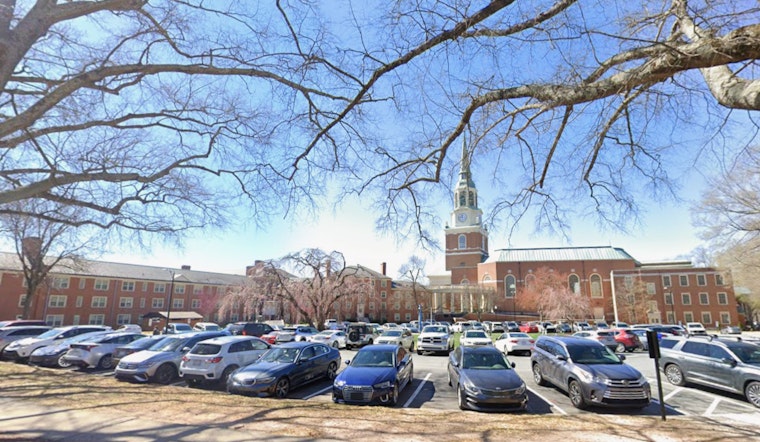
In Winston-Salem, scientists at Wake Forest University are stepping into a multinational push to figure out why Alzheimer’s disease strikes Black, Hispanic and African communities at higher rates. The DAWN study plans to enroll about 13,000 people and blend genetic sequencing, blood biomarkers and clinical evaluations to look for ancestry specific risk and protective factors. Volunteers will include people already diagnosed with dementia, those with mild cognitive impairment and people with no symptoms at all so researchers can compare across the spectrum. Local outreach teams say getting real representation in the data is critical if future treatments and diagnostic tools are going to match the communities most affected.
“We’re looking for those who have been diagnosed,” Dr. Goldie Byrd said, describing an enrollment drive that welcomes participants at every stage of cognitive health. She told WSOC‑TV that the DAWN study will focus on Hispanic Americans, African Americans and African participants and is aiming for roughly 13,000 volunteers.
What the DAWN Study Will Do
The DAWN Alzheimer’s Research Study aims to enroll about 13,000 participants, including roughly 4,000 African Americans, 4,000 Hispanic or Latino Americans and 5,000 indigenous Africans, and to collect DNA samples, plasma biomarkers and standardized cognitive assessments from each group. That effort will add thousands of whole genome sequences from people of African ancestry to national databases, according to Alzheimer’s & Dementia. Researchers say the new data will help them build ancestry informed risk models that do a better job of predicting who is most vulnerable, according to the University of Miami.
Why Diversity Matters
Black and Hispanic older adults consistently show higher prevalence of Alzheimer’s and related dementias, with research and national estimates pointing to roughly 1.5 to 2 times the risk compared with non Hispanic white adults, according to the Alzheimer’s Association. At the same time, these groups are still underrepresented in many large genetic studies of the disease.
Public health experts point to heavier burdens of hypertension, diabetes, neighborhood disadvantage and barriers to care as likely contributors to the disparity, according to federal guidance from the CDC. The DAWN team is betting that pairing those real world exposures with genetics and blood biomarkers will reveal patterns that standard one size fits all models have been missing.
How To Participate
To actually reach the people they want to study, Wake Forest’s outreach team is working with churches, clinics and community organizations across the region, according to Wake Forest Newsroom. The release lists a regional contact line at 833‑491‑2817 and directs potential volunteers to the enrollment site at TheDAWNStudy.com.
Funding And The Science
The DAWN data will plug into national sequencing projects and plasma biomarker research that are trying to pinpoint ancestry specific risk and protective loci for Alzheimer’s disease. The University of Miami’s Hussman Institute received a related 28.6 million dollar grant to expand genomic sequencing in people of African ancestry, according to the University of Miami. Contributors expect these new sequences to strengthen analyses in the Alzheimer’s Disease Sequencing Project, according to reporting in Alzheimer’s & Dementia.
“Increasing diversity in Alzheimer’s disease research and clinical trials is one major step toward closing gaps,” Dr. Byrd said in a Wake Forest news release, noting that outreach has to include trust building and practical support such as transportation or flexible scheduling. Researchers say DAWN’s detailed snapshots of genetics, biomarkers and life course exposures could ultimately reshape who benefits from the next generation of Alzheimer’s diagnostics and treatments, instead of leaving the hardest hit communities on the sidelines.





