

























































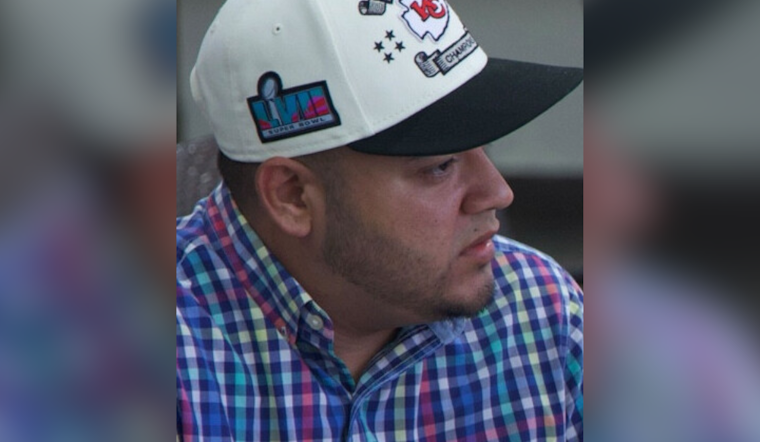
Kilmar Abrego García is back in Maryland after the government wrongly deported him to a Salvadoran prison last year, but his legal and immigration saga is nowhere close to wrapped up. Federal judges in Maryland have repeatedly boxed in Immigration and Customs Enforcement attempts to detain or remove him, even as prosecutors in Tennessee push ahead with criminal charges. The ongoing tug-of-war between court orders, federal prosecutors, and Department of Homeland Security removal plans has his family, local leaders, and national lawmakers watching every move.
Yesterday, government attorneys told U.S. District Judge Paula Xinis that the Department of Homeland Security still plans to remove Abrego García to Liberia rather than to Costa Rica, which had already agreed to accept him, according to AP News. The filing followed months of back-and-forth in which ICE floated sending him to several African countries while judges demanded concrete, workable plans. Xinis has now set a briefing schedule on the dispute and moved the matter onto an expedited docket.
Supreme Court Ordered the Government to Bring Him Back
The case hit the Supreme Court in April 2025, when the justices told the government to “facilitate” Abrego García’s return after finding that his March 15 deportation to El Salvador was improper, as reported by The Washington Post. The rare intervention from the high court forced lower-court judges to press the administration for specific steps to get him out of Salvadoran custody and highlighted judicial skepticism about how the government handled the removal.
Criminal Charges Complicate the Picture
After sustained pressure, U.S. officials returned Abrego García to the United States in June 2025, and a federal grand jury in Tennessee indicted him on human-smuggling charges. He pleaded not guilty, according to The Guardian. Hoodline previously covered that indictment in June 2025, in a piece titled Smuggling Guns And Migrants. Defense lawyers argue the timing looks like payback for his deportation fight, while prosecutors insist the charges stem from a long-running criminal investigation.
Judge Limits ICE’s Options
Judge Paula Xinis has repeatedly pushed back on efforts to lock Abrego García up again or ship him out. In February, she ruled that ICE cannot lawfully re-detain him because the 90-day removal window has expired and the agency does not have a viable removal plan, according to AP News. In that order, she faulted the government for making “one empty threat after another to remove him to countries in Africa with no real chance of success,” undercutting the administration’s stated strategy. The court has also imposed notice procedures designed to prevent a repeat of the mistaken March 2025 deportation to El Salvador.
Local Leaders and Unions Weigh In
Baltimore officials, labor unions, and members of Maryland’s congressional delegation publicly blasted the original deportation and have called for stronger safeguards, according to CBS Baltimore. Union representatives noted that Abrego García was working full-time as an apprentice and said families were left exposed by the agency’s mistake. For local advocates, the case has become a litmus test for whether federal policy and enforcement are carried out with meaningful judicial and human-rights guardrails.
As April court dates approach, Abrego García’s case sits squarely at the crossroads of immigration policy, criminal prosecution, and judicial oversight. The outcomes in Maryland and Tennessee will ripple far beyond one family, potentially setting sharper limits on how and where the federal government can carry out removals in high-profile, hotly contested cases.


