

























































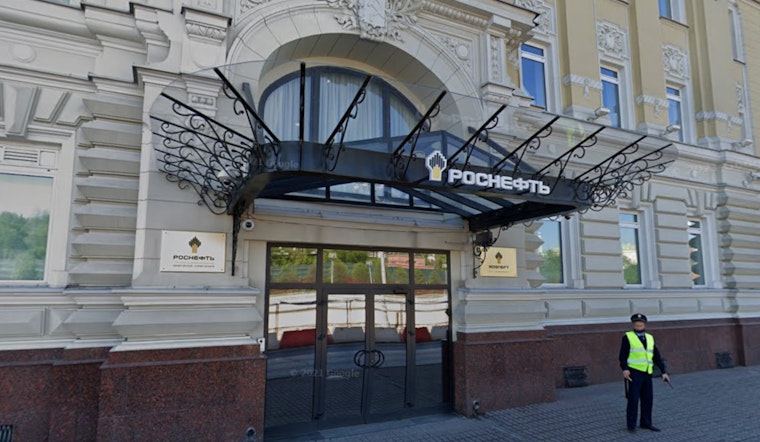
A new report from Yale's Humanitarian Research Lab alleges that Russian energy giants Gazprom and Rosneft helped move and "re‑educate" thousands of children taken from Russian‑occupied parts of Ukraine between 2022 and 2025. Researchers tie corporate subsidiaries and trade unions to at least six camps where Ukrainian minors received pro‑Russian messaging and, in some cases, militarized activities. The release is already reigniting debate in Washington over oil sanctions and what corporate accountability should look like when a war is still underway.
According to a report by the Yale Humanitarian Research Lab, researchers concluded "with high confidence" that Gazprom and Rosneft, working through subsidiaries and trade unions, "underwrote and facilitated" the transportation and/or re‑education of roughly 2,158 children from occupied regions between 2022 and 2025. The study names six camps and says three were owned by Gazprom subsidiaries as recently as 2025, and that trade unions issued vouchers that allowed many children to attend pro‑Russia programs. Yale also identified 44 entities connected to the effort and found that about 80% are not currently sanctioned.
The findings, first reported by Reuters, prompted a bipartisan group of U.S. lawmakers to urge new sanctions on Gazprom and Rosneft and to press for penalties on dozens of related entities. Reuters said Rosneft "categorically denied" directing or participating in the conduct described, while Gazprom characterized the facilities as health‑and‑recreation resorts used by Russian children. Independent coverage by RFE/RL noted Yale's warning that a recent U.S. Treasury waiver could let revenue flow to the companies even as allegations mount.
How The Report Says The Transfers Worked
As outlined by Yale HRL, the report details a network of vouchers, corporate‑owned camps and trade‑union sponsorships that funneled children to pro‑Russia programs, with some of those camps operating as recently as 2025. The researchers wrote that at least 1,072 children received Gazprom‑issued vouchers in 2022–23 and that Rosneft's trade union sponsored about 100 children to attend three camps in 2023. Yale stresses that its conclusions rely heavily on primary materials such as company social‑media posts, incorporation records and camp brochures, rather than secondhand accounts.
Sanctions Fight And The Oil Waiver
Legal summaries of OFAC's General License 134, including one from Mondaq, say the wind‑down covers only cargoes loaded by March 12 and runs until April 11, 2026. But Yale and some U.S. lawmakers argue that even a narrow waiver risks routing fresh cash to state‑connected firms. Reuters reports that a congressional letter urged sanctions on Gazprom and Rosneft and asked that 35 Yale‑identified entities be targeted, estimating that roughly $12 billion could flow to the firms under the temporary waiver.
Legal And Accountability Questions
The Yale report lands on top of existing international scrutiny of child deportations: the International Criminal Court issued arrest warrants in March 2023 for Russian President Vladimir Putin and children's commissioner Maria Lvova‑Belova in connection with alleged unlawful deportations, according to AP. HRL's leaders say their documentation could feed accountability efforts, but the lab does not itself bring prosecutions. Instead, researchers urge sanctions and legal follow‑up by governments and international bodies.
"This is an industrial‑scale campaign," HRL Executive Director Nathaniel Raymond told RFE/RL, noting that the team has shared findings with both houses of Congress and the State Department. The report puts pressure on energy companies and policymakers alike to reconcile market‑driven responses to global oil shocks with emerging evidence of alleged corporate complicity in wartime abuses.





