

























































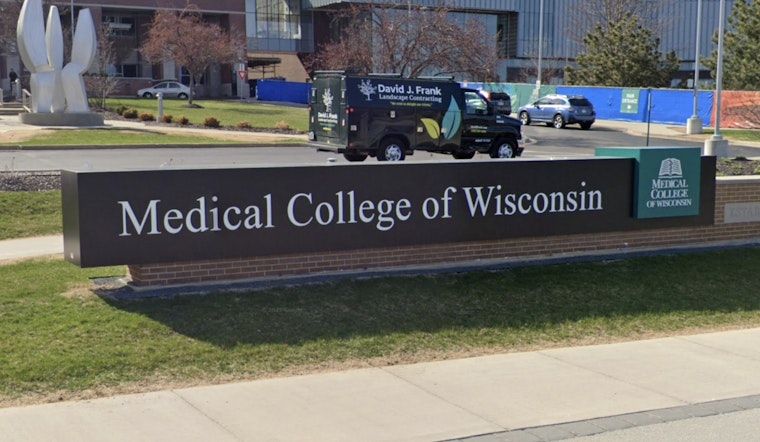
John R. Raymond Sr., the sixth president and chief executive officer of the Medical College of Wisconsin, is stepping down after 16 years in the top job, kicking off a long-planned leadership transition that will eventually move him into a faculty role while the college lines up his successor.
The move was first detailed by the Milwaukee Business Journal, which noted that Raymond took over in 2010 and became only the sixth leader in the institution’s roughly 133-year history. The outlet underscored that this is a managed handoff, not a sudden exit.
In a news release, the Medical College of Wisconsin pointed to a long list of growth markers during Raymond’s tenure, saying top-line revenue climbed from roughly $798 million in 2009 to about $1.61 billion in fiscal 2024, philanthropic support rose sharply, and research expenditures more than doubled. Raymond said he was announcing his plans now to “ensure a seamless leadership transition” and to keep “opening new doors of opportunity for MCW,” while the board launches a national search and he prepares to leave the presidency on or about June 30, 2026, according to MCW.
A 16-year record of new programs and partnerships
Over those 16 years, MCW rolled out new academic programs and regional campuses aimed at easing clinician shortages and struck expanded partnerships with health systems including Froedtert and Children’s Wisconsin. Those moves helped stretch MCW’s clinical footprint across Milwaukee and deeper into rural parts of Wisconsin, according to local reporting from the Milwaukee Business Journal.
What comes next for MCW
The MCW Board of Trustees says it will conduct a national search for the next president while the institution pushes ahead with major projects already in motion, including academic expansions and a new cancer research building. College leaders have stressed continuity and say Raymond will remain on campus as a faculty member after he hands over the presidency, according to MCW.
Why the change matters for Milwaukee
MCW functions as one of the region’s heavyweight health and research anchors, with local coverage pointing to the college’s multibillion-dollar operational footprint and redevelopment work tied to community investment. Reporting that republished the announcement highlighted efforts like the ThriveOn King redevelopment and other partnerships that help explain why hospitals, donors and city officials are watching this succession process closely, according to Urban Milwaukee.
As MCW begins its national search, health systems, academic partners and community groups across Wisconsin will be looking for a leader who can sustain research growth, deepen clinical partnerships and tackle ongoing workforce shortages. After more than a decade of outsized influence on Milwaukee’s health care economy, Raymond’s planned departure marks a pivotal handoff for one of the city’s most powerful institutions.





