

























































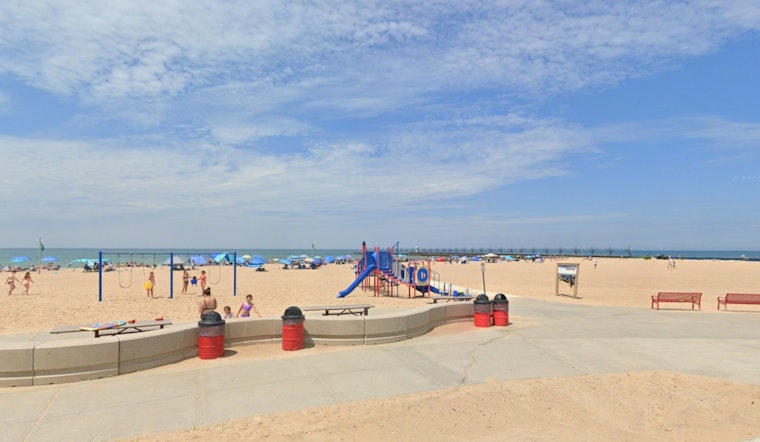
South Haven’s shoreline is about to look very different this summer. After years of tense meetings and a determined campaign by a grieving mother, the city is bringing lifeguards back to the beach for the first time in decades, starting Memorial Day. Officials say it is the most visible step yet in a long, often emotional fight over beach safety after a series of drownings off the city’s Lake Michigan shore. For locals and visitors at South Beach, that means uniformed crews, marked stations, and active patrols once the holiday crowds roll in.
How the push took hold
Lisa MacDonald, whose daughter Emily and Emily’s boyfriend Kory Ernster drowned at South Beach in August 2022, spent the years that followed pressing city leaders for change. She pushed for lifeguards and broader safety upgrades through public testimony and legal action, steadily turning private grief into public pressure. Her efforts helped spur the city to finally move forward, according to the Detroit Free Press.
Council, consultants and a phased plan
Last year, city officials signaled a change in course, signing off on a phased lifeguard program and hiring consultants to build it out, with the first phase centered on South Beach. As WOOD Radio reports, the initial rollout calls for four lifeguards on duty Monday through Thursday and six lifeguards on busier weekend days. The often-heated council debate traced how that plan took shape in public.
What to expect on Memorial Day
City leaders say open-water lifeguards will start patrolling South Beach over Memorial Day weekend; in 2026, Memorial Day falls tomorrow. Tentative summer schedules are set to cover the busy hours from late morning into early evening. According to WKFR, lifeguards are expected to work from 11 a.m. to 7 p.m., while “beach enforcement attendants” will monitor all seven of South Haven’s public beaches starting earlier in May.
Tools beyond chairs and whistles
While the city worked through its process, families and nonprofits tried to close the safety gap on their own. In 2024, the MacDonald's and the Ernster family donated remote rescue drones and helped pay for training local crews to use them. WNDU covered those donations and the training, which advocates have described as a stopgap until lifeguards could finally return to the sand.
Legal fallout
The lifeguard push has unfolded alongside a string of lawsuits. Judges have taken a close look at South Haven’s use of beach-warning flags and, in recent rulings, have narrowed the city’s governmental-immunity defenses in cases tied to drownings. That legal backdrop, along with the policy fights at city hall, is detailed in local coverage and in the Great Lakes Surf Rescue Project account of the litigation and council deliberations.
What advocates say now
For MacDonald and other families, lifeguards feel long overdue. “Their deaths cannot just be for nothing,” MacDonald told the Detroit Free Press, echoing surf-rescue groups that argue lifeguards are the proven frontline defense against rip-current deaths. Local rescuers and advocates say all eyes will be on South Haven this summer to see how the new program works and whether it becomes a model for other Lake Michigan communities.




