

























































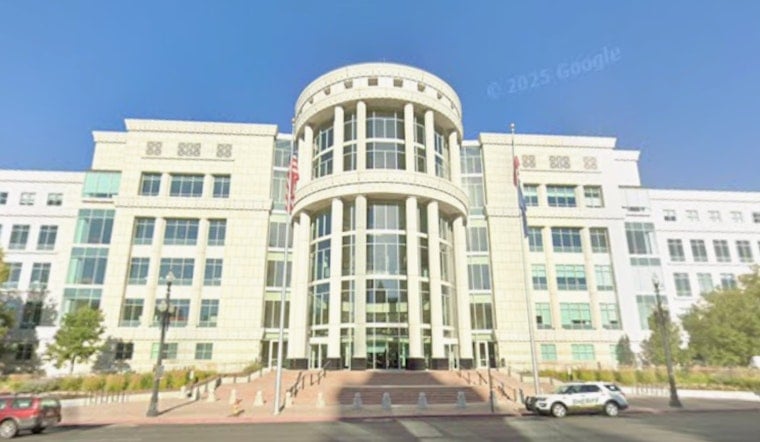
Utah’s two brand-new Supreme Court seats are coming with a very familiar look: all 12 finalists are men. The all-male slate lands at the same time lawmakers and legal groups are already sparring over changes to the state judiciary, and it is putting fresh pressure on how the expansion is carried out. Under state law, the governor must choose nominees from the commission’s list and the Utah Senate decides whether to confirm them.
According to The Salt Lake Tribune, the Judicial Nominating Commission sent Gov. Spencer Cox a list of 12 finalists this week, none of whom are women. The paper cast the lineup as the latest flashpoint in an ongoing debate over who gets picked for Utah’s highest court and how the two new seats will be filled.
How The Bench Got Bigger
Lawmakers created the two new seats earlier this year when they passed Senate Bill 134, which expanded the Utah Supreme Court from five justices to seven and added judgeships in lower courts. Supporters said the move would help relieve appellate caseloads. Critics argued the timing and scope suggested political motives and warned about costs and staffing shortfalls, as reported by Deseret News.
Bar Groups And Former Jurists Push Back
The Utah State Bar told lawmakers the expansion package “misses key needs” and urged the state to invest more in trial-court staff and clerks rather than adding new high-court seats. Former justices and other legal observers have warned that rapid, policy-driven changes to the court’s structure could damage public confidence in judicial independence, a concern the bar emphasized publicly in the weeks after the bill passed.
What Happens Next
The governor must now choose nominees from the commission’s shortlist and send those picks to the Utah Senate for confirmation. Because the law took effect immediately, those appointments could move quickly. Observers note the timing overlaps with active litigation, including redistricting appeals and other constitutional challenges that could reach the high court while the new justices are being seated, as covered by KSL.
Legal Implications
Legislative changes to the court’s structure have already sparked controversy and legal pushback. Lawmakers also advanced measures to create rotating three-judge panels to hear constitutional claims, a step that drew criticism and invited more scrutiny. That wider package of reforms, along with the way the two new seats are filled, increases the likelihood of lawsuits that test separation-of-powers issues and the limits of judicial reform, according to reporting by Utah News Dispatch.





