

























































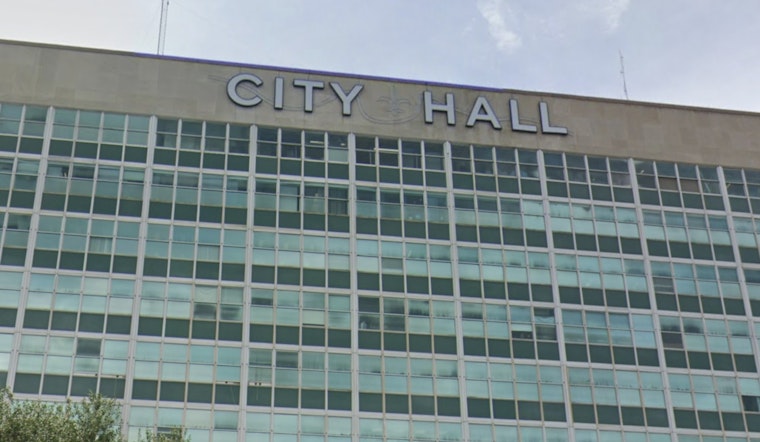
New Orleans just locked down a long-disputed fortune. In a Monday ruling, the Louisiana 4th Circuit Court of Appeal affirmed that the city is the sole owner of lands and revenues once managed through the Edward Wisner Trust, a sprawling portfolio of roughly 50,000 acres in Jefferson, St. John the Baptist and Lafourche parishes that brings in about $10 million a year. The court tossed out a 2020 ratification that kept outside beneficiaries in the revenue stream, a move city leaders say finally lifts a cloud of legal uncertainty and puts control of the assets firmly back in residents' hands.
What the appeals court said
The 4th Circuit upheld a trial court finding that the 1914 act of donation made the City of New Orleans the sole donee, and that the 2020 Ratification, Extension, Modification and Amendment Agreement was "absolutely null and void" because it attempted a back-dated extension, according to the Louisiana 4th Circuit opinion. The panel also concluded that a 1929 compromise did not transfer ownership away from the city and that the city's ownership of the former trust corpus is supported by the plain language of the original donation. On that basis, the court affirmed the lower court's summary judgment in favor of the city on ownership.
How the 2020 agreement factored in
Former Mayor LaToya Cantrell had signed a 2020 deal that split Wisner proceeds among the city, Tulane, LSU and Wisner heirs. The appeals court decision wipes that agreement off the books and aligns with the City Council's position that the trust had already expired at the end of its 100-year term. The holdings at issue span about 50,000 acres and have been pegged at nearly $10 million a year in revenue, according to NOLA. The fight dragged long-standing questions back into court over whether the trust could legally be extended once that century mark passed.
City leaders respond
Mayor Helena Moreno hailed the ruling as confirmation that the assets "belong to the people of New Orleans" and said dissolving the trust opens the door for Wisner dollars to be used for public needs, according to city officials. Chief Administrative Officer Joe Giarrusso cast the outcome as a sharp rejection of the prior administration's attempt to prolong the trust, and Council President J.P. Morrell labeled it a "legal and financial victory," according to WDSU. City leaders stressed that the focus now shifts to protecting the lands and carefully managing the income for future generations.
What it could mean for the budget
Local reporting has pegged annual Wisner revenues at roughly $9 million to $10 million, and city officials have already worked those proceeds into budget plans and one-time settlements. Exactly how much will ultimately flow into the general fund will depend on final accounting and any remaining claims. The City Council last year introduced motions calling for studies and a potential settlement framework to nail down the property's value and its "best and highest use," according to City Council records. As outlined by Nolanewswire, officials say any transfer of cash or control will move slowly and deliberately, so as not to invite fresh legal challenges from former beneficiaries.
Legal next steps
The 4th Circuit's May ruling keeps the trial court victory intact but leaves the door open for more appeals. Defendants can still seek a rehearing or ask the Louisiana Supreme Court to step in, according to the Louisiana 4th Circuit opinion. That process could stretch for months and will determine when the decision becomes final and fully enforceable. In the meantime, judges and city administrators will be sorting through claims, contracts and oversight arrangements tied to what used to be the Wisner Trust.
Bottom line: the ruling gives New Orleans long-sought legal clarity over a century-old donation, but turning that win into new parks, police funding or other local projects will require property valuation, fresh administrative rules and possibly more litigation. After more than a decade of courtroom battles, city officials say they are ready to take on the job of stewarding the land and its proceeds for residents.





