

























































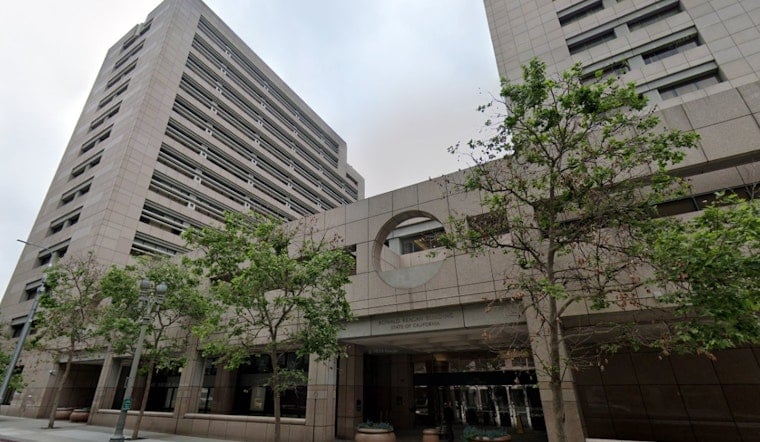
A California appeals court has breathed new life into a state law that can turn a single-family lot into as many as four homes, escalating a long-running tug-of-war between Sacramento and city halls that want to keep tighter control over neighborhood scale. The ruling shifts the battlefront back to trial courts and could accelerate fast-track approvals for duplexes and lot splits around the Bay Area, with local officials and housing advocates already bracing for new legal and political skirmishes this year.
What the appeals court said
The 2nd District Court of Appeal issued a published opinion confirming that California’s statutory framework for ministerial approval of two-unit projects and urban lot splits can effectively open the door to four units on a lot that previously allowed just one home. As detailed by the California Courts, the panel walked through the law’s language, the limits it places on local discretionary review, and several procedural disputes before sending key issues back to the lower court.
How the charter-city challenge began
The case grew out of an earlier Los Angeles Superior Court ruling, where Judge Curtis Kin concluded that SB 9 could not be enforced against a group of charter cities because the statute, then framed around promoting “affordable housing,” did not actually require below-market units. Redondo Beach, Carson, Torrance, Whittier and Del Mar led the challenge, arguing the measure trampled their local land-use powers. The trial court’s decision triggered a quick appeal and a wave of reaction from city leaders and housing reformers on both sides of the growth debate, as reported by LAist.
How SB 9 (and SB 450) work
SB 9, signed in 2021, requires ministerial approval in many situations for adding two residential units to a parcel zoned for a single-family home and for “urban lot splits” that divide one parcel into two roughly equal lots. In practice, that combination can allow up to four dwellings where only one stood before. Lawmakers later passed SB 450, which broadened the official findings to emphasize boosting overall housing supply rather than focusing only on affordability, and tightened processing timelines and other procedural rules. The mechanics of both measures and the 2024 amendments are laid out in the official bill texts available on California Legislative Information for SB 9 and SB 450.
How the Redondo Beach appeal landed
On appeal, the panel reversed the trial court’s injunction that had blocked SB 9 from applying to the charter cities and sent the case back to be reconsidered under the statute as rewritten by SB 450. The judges also wiped out an earlier award of about $270,000 in attorneys’ fees that the trial court had granted to the cities, instructing the lower court to take another look at that bill once it reworks the judgment. The appellate summary in the Redondo Beach decision is available through CaseMine.
What this could mean for Peninsula cities
The outcome is particularly important for charter cities on the Peninsula - including Palo Alto, Mountain View, Redwood City and San Mateo - because the reach of SB 9 into charter jurisdictions will decide how much sway local governments retain over lot splits and small-scale upzoning. City officials have been following the case closely as a roadmap for whether they must adjust zoning ordinances or local review procedures to align with the state’s ministerial approval requirements. Palo Alto Daily Post has outlined the local stakes and listed the charter cities that could feel the impact.
What comes next
With the remand, trial judges will now have to decide whether SB 9, as modified by SB 450’s expanded findings, passes constitutional muster when applied to charter cities. Any new ruling is almost guaranteed to draw another appeal if one side feels boxed in, so this is unlikely to be the last word. State lawmakers, meanwhile, still have the option to tweak the statute again if courts flag ambiguities that helped spark the litigation in the first place. For a broader look at the policy stakes and the likely next moves in Sacramento, see reporting from CalMatters.
Legal implications
At the heart of the case on remand is a classic California constitutional question: are the amended findings in SB 450 strong enough to show that addressing the housing shortage is a “statewide concern” that justifies overriding charter cities’ usual autonomy over land use. The appeals court’s decision to vacate the attorneys’ fee award is a reminder that cost orders that rest on a judgment can disappear if that judgment is later overturned. For the court’s detailed reasoning, see the appellate disposition in the Redondo Beach matter available from the California Courts.





