

























































A climber in the Bell Cord Couloir of Maroon Peak survived an estimated 1,000-foot fall on Friday and was pulled out in a technical backcountry rescue that turned a near disaster into a rare good-news story. Volunteer teams reached the injured person on a snowfield around midday, stabilized the climber on scene, then carefully lowered them through steep, exposed terrain back to the trailhead. The climber's injuries were described as non-life-threatening, and they ultimately declined further medical care.
Pitkin County regional dispatch received the initial 911 call at about 8:36 a.m., prompting Mountain Rescue Aspen to mobilize two field teams with a total of 11 volunteers, according to the Denver Gazette. Rescue crews reached the trailhead at roughly 9:50 a.m. and hiked about three miles to the climber's location. They made patient contact at 12:20 p.m., completed a medical assessment, and worked the subject back down to the trailhead by around 3:10 p.m. The last rescuers were out of the field at about 3:40 p.m., according to the Gazette.
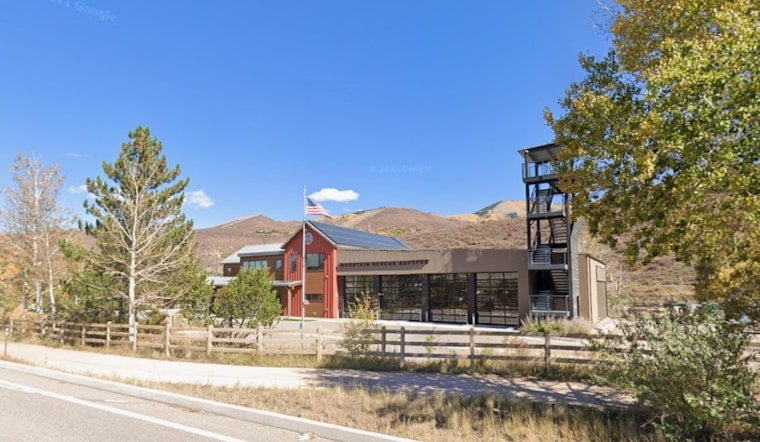
Mountain Rescue Aspen is a volunteer search-and-rescue group that handles some of the region's most technical calls in the Roaring Fork Valley and beyond. The organization provides rope, snow and high-altitude rescue capabilities and notes that its volunteers train year-round while coordinating closely with local agencies on complicated missions, according to Mountain Rescue Aspen.
How the Bell Cord Couloir Becomes Treacherous
The Bell Cord Couloir slices between the two Maroon Bells as a narrow, steep snow gully that can feel more like a chute than a hiking route. Guide descriptions warn that sections can steepen to near-vertical pitches and mix firm snow, ice and loose rock, according to 14ers.com. Over the years, coverage of incidents on the Bells has documented multiple serious and fatal falls in the area, as reported by the Aspen Times.
What Rescuers and Officials Recommend
In the wake of the latest rescue, the Pitkin County Sheriff’s Office is again urging climbers to treat technical terrain like the Bell Cord with the seriousness it demands. Officials are reminding visitors to prepare for potential injuries, dress for rapidly changing mountain weather, carry route-appropriate technical gear and bring a two-way satellite communication device, according to the Denver Gazette. Mountain Rescue Aspen and county officials also point to tools such as search-and-rescue cards and training programs to help reduce both costs and risks during response operations, per Mountain Rescue Aspen.
Why This Matters to Local Visitors
Spring and early summer often leave steep, lingering snowfields plastered across the upper reaches of the Bells just as visitor numbers begin to spike. At the same time, local officials are trying to manage heavier traffic at Maroon Lake, including a new e-bike entry fee to help fund staff and enforcement. For more on how visitor traffic is being handled at the Maroon Bells Scenic Area, see coverage of the new e-bike entry fee.
Rescuers say the speed and coordination of the volunteer response likely prevented a bad situation from turning tragic and emphasize that even seasoned climbers can be caught out by fast-changing conditions in the high country. Anyone planning a trip into the Maroon Bells-Snowmass Wilderness is urged to check current conditions, carry proper safety and communication gear and know how to call for help if something goes wrong.





