

























































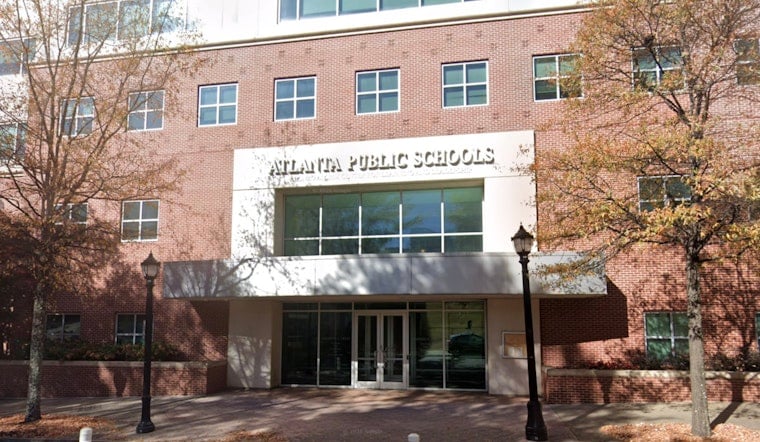
Atlanta Public Schools is weighing a new instructional screen-time policy that would cap daily device use by grade band, with 60 minutes for K–2, 90 minutes for grades 3–5, 120 minutes for grades 6–8 and 150 minutes for high school, as the district prepares for the next school year. The draft surfaced during a policy-committee discussion this month and could reach the full board for consideration in June, putting some hard numbers behind a debate that has been bubbling for years in local classrooms and living rooms.
The proposal, discussed in committee, includes language stressing that technology should be used with a clear instructional purpose rather than as the default setting for every lesson. "The policy is not about being anti-technology," board Chair Jessica Johnson said, adding that the board wants to promote "strong instruction and hands-on experiential learning." An APS parent, Annsley Klehr, told reporters the proposed limits make sense for students. Those details were reported by 11Alive.
Board Timeline and How to Weigh In
The Atlanta Board of Education’s public calendar lists a monthly board meeting for June 19, 2026, which is the likely window for the full board to take up the draft policy. Families who want to speak in public comment or submit written feedback can use the district’s standard channels and sign-ups posted on the board page. The district posts meeting details and public-comment instructions on its board calendar and outreach portals, so anyone watching this proposal can track when it officially comes up for a vote.
What the Draft Would Do
Under the draft, APS would set grade-band maximums for instructional screen time: 60 minutes for K–2, 90 minutes for grades 3–5, 120 minutes for grades 6–8 and 150 minutes for grades 9–12. The language makes it clear that classroom technology is supposed to serve a specific instructional purpose, not become the automatic go-to for teachers every period. District leaders have signaled they want a policy in place for the coming school year but could delay a final vote if committee work continues a little longer. Those details are drawn from reporting about the policy committee discussion, as reported by 11Alive.
Part of a Wider Shift
Atlanta’s move is landing in the middle of a broader national reset on classroom tech use this spring. Los Angeles Unified approved a "Using Technology with Intention" resolution in April that directs district staff to craft grade-level screen-time guardrails, and national outlets note that at least a dozen states have proposed or adopted limits on in-school screen time this year. The Los Angeles Unified press release and national coverage point to a trend that is spreading from parent activism into district and state policymaking. For more context on how this is playing out beyond Georgia, see reporting in The Washington Post.
State Rules and Local Politics
The pushback against heavy device use in class is unfolding alongside new state legislation. Georgia’s governor signed a bill this month that institutes a “bell-to-bell” phone ban in high schools, a move advocates say will reduce distraction while critics worry about real-world enforcement in busy hallways and classrooms. That statewide action reshapes the policy backdrop for district-level discussions and gives local boards fresh political momentum to revisit their own device rules. See coverage by FOX 5 Atlanta.
How APS Uses Devices Now
Atlanta Public Schools already issues Chromebooks and other classroom devices and uses filtering and monitoring tools that give teachers and families visibility into students’ online activity. The district has promoted vendor tools as ways to support learning while managing safety and usage. Any new limits would reshape how teachers schedule tech-supported lessons and how families see device time reported at home. The district posts device- and safety-related resources, including its Securly parent tools, on the APS site.
What Comes Next
The board could act at its June meeting or wait for more committee work. Either way, parents and teachers will have a chance to weigh in through public comment and the district’s feedback portals before any final policy is adopted. If the board signs off on firm caps, classroom routines and lesson planning across APS schools would likely be adjusted before the start of the next school year, giving students a new daily rhythm for how much time they actually spend on screens in class.





