

























































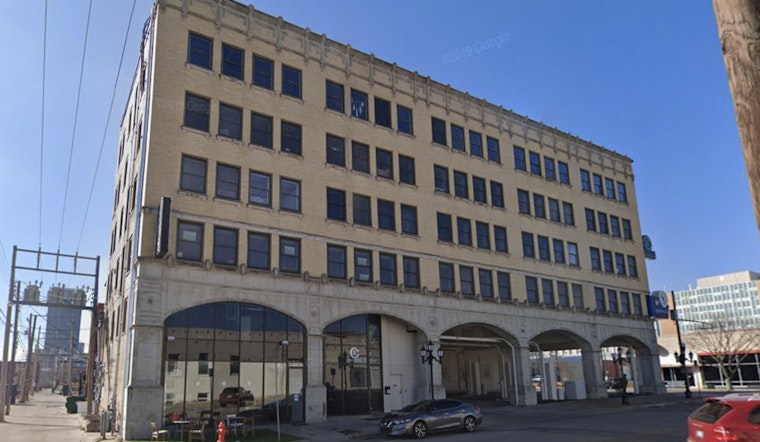
The Magnolia Building, a century-old fixture at 722 N. Broadway in Oklahoma City's Automobile Alley, has a new owner and a new future. On Monday, the five-story office property sold for $4.6 million, clearing the way for a planned conversion into a boutique hotel and adding another chapter to downtown's adaptive reuse boom.
Industry reporting confirmed that a private investor bought the fully leased building from another private investor for $4.6 million and intends to transform it into a boutique hotel, according to CoStar. The buyer has not been publicly identified.
Building Details And History
Commercial property records describe the Magnolia as roughly 31,596 square feet spread over five stories on a 0.17-acre parcel in the heart of Automobile Alley. Parcel and tax information tied to the address is listed on LoopNet, while the Metropolitan Library System's archives trace the building back to its 1919 construction and its long connection to Oklahoma City's automotive and oil-era growth.
The top floor has served as an event venue with panoramic downtown views, a feature that could become a prime selling point if and when hotel guests start checking in.
Deal Logistics And Incentives
Before the sale, marketing materials for the Magnolia highlighted a toolkit that redevelopment-minded buyers like to see: eligibility for historic tax credits, a location inside a tax increment financing district, and proximity to the Oklahoma City Streetcar route. Those benefits were front and center in the property brochure hosted on Showcase.
Local brokerage materials from NAI Red list Abbey Sullivan as the associate connected with the offering. The building was fully leased at the time of the transaction, according to CoStar, which means the new owner will be juggling existing tenants as hotel plans progress.
Why This Matters
Turning the Magnolia into a hotel would pull more overnight guests and event traffic into Automobile Alley, a district that has been central to Oklahoma City's downtown revival. The neighborhood's compact blocks and historic building stock have made it a natural candidate for restoration projects, as outlined in the local history materials on AutomobileAlley.org.
Developers across mid-size cities have been leaning into similar adaptive reuse plays, betting that distinctive, story-driven hotels can outperform more generic new-build brands. An industry guide from Hotel Dive notes that historic conversions often capitalize on character and location that would be difficult to replicate from the ground up.
For now, there is no public timetable for construction or opening. Any conversion will hinge on design work, permitting, and financing steps that typically stretch over many months. Observers will be watching for permit filings, financing updates, and branding announcements that signal when the Magnolia might officially reopen its doors as a boutique hotel.





