

























































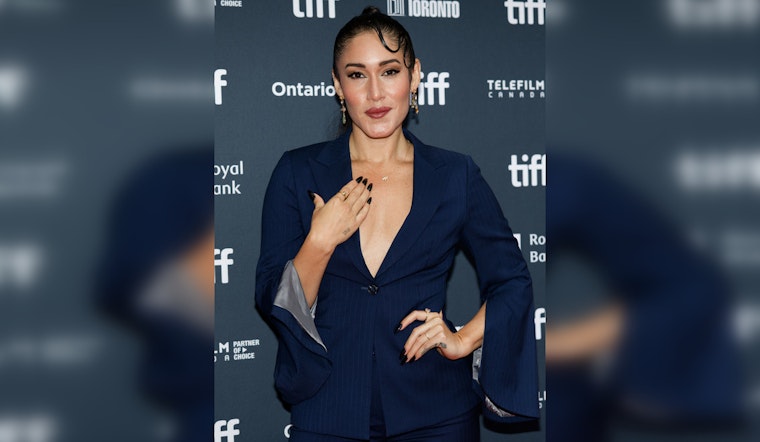
In a very Hollywood twist, Q'orianka Kilcher has taken James Cameron and a lineup of major studios to federal court, accusing them of quietly lifting her facial features to shape Neytiri, the blue‑skinned heroine of Avatar. The lawsuit claims filmmakers "extracted" Kilcher's likeness from a teenage publicity photo and built those biometric details into early drawings and digital models. She is asking for unspecified damages, a cut of the profits, a jury trial and a public acknowledgment that she helped inspire the character.
What the suit says
Filed May 5 in U.S. District Court for the Central District of California (Kilcher v. Cameron, No. 2:26‑cv‑04832), the complaint lists James Cameron, The Walt Disney Company, Lightstorm Entertainment and several visual‑effects vendors as defendants, according to Justia Dockets. As reported by TheWrap, Kilcher alleges a 2005 Los Angeles Times photo of her at age 14 became the template for early Neytiri sketches and 3D models. The suit says those design elements then traveled through art departments and VFX pipelines into the finished films, posters, merchandise and sequels.
Cameron's own remarks
According to the complaint, Kilcher only realized her image might have been used in 2025, after an old broadcast interview with Cameron resurfaced online. In that clip, Cameron stands next to an early Neytiri sketch and points to a Los Angeles Times photo of Kilcher, describing it as the source of the drawing's "lower face," a moment cited in the lawsuit and reported by the Los Angeles Times.
A meeting and a signed sketch
The filing also describes a brief 2010 encounter in which Kilcher says Cameron invited her to his office and presented her with a framed Neytiri sketch. Attached, according to the complaint, was a handwritten note saying her beauty had been an early inspiration for the character. Her legal team argues that this personal gesture did not give Cameron or the studios permission to copy or commercialize her biometric traits on a global scale, per reporting by The Guardian.
Legal claims and remedies
The lawsuit stacks up multiple causes of action, including misappropriation of likeness, invasion of privacy, negligence and interference with prospective economic advantage, and it explicitly cites California's newly adopted anti‑deepfake provisions, according to TheWrap. Kilcher is seeking compensatory and punitive damages, disgorgement of profits, injunctive relief and a corrective public disclosure, and she is asking for a jury to decide the case.
Broader stakes for Hollywood
Beyond this one lawsuit, the case shines a spotlight on how concept art, maquettes and VFX pipelines can lock in real‑world facial data long before anyone is officially cast. That raises fresh questions about consent and how far publicity rights should reach in the digital era. Legal analysts point out that California’s recent AI and deepfake statutes give individuals new ways to sue and impose duties on platforms that host such content, which could shape how similar disputes play out, per analysis at JDSupra.
Next steps in court
Procedural deadlines for responses, motions to dismiss and early hearings will be set by the Central District's docket, according to Justia Dockets. Kilcher’s demand for a jury trial signals that her side is prepared to fight the case in open court if settlement talks do not get traction.
Response so far
So far, representatives for Disney and Cameron have not publicly engaged with the allegations and did not immediately respond to requests for comment, according to the Los Angeles Times. Kilcher’s attorneys have framed what happened as "extraction" of a young Indigenous actor’s features, not harmless creative inspiration, saying the suit is aimed at securing both accountability and compensation, according to The Guardian.
Why it matters
At stake is more than a dispute between a filmmaker and a former teen star. The case could help draw the line between legitimate artistic reference and commercial exploitation, especially when the original image features a minor. Expect early battles over consent, publicity rights and fast‑evolving AI‑era laws to shape what big‑budget productions can safely claim as "inspiration" going forward.





.jpg)