

























































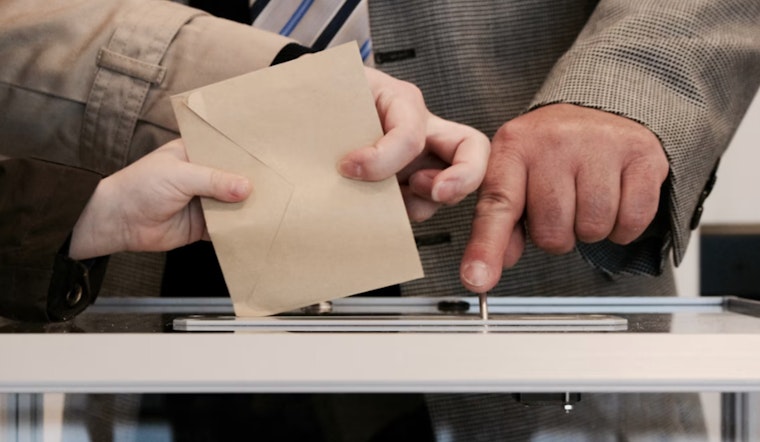
With the statewide primary fast approaching, Californians are already trekking to vote centers, dropping off mail ballots and, of course, posting about it. Yes, you can take a ballot selfie in California, but it is not a total free for all. Poll workers and county officials still have authority to protect other voters’ privacy and to stop behavior that interferes with voting. As early ballots arrive and in-person voting ramps up, election offices across the state are reminding people to follow local rules before whipping out their phones at vote centers or drop boxes.
What California law actually allows
State lawmakers repealed a long-standing ban on showing a marked ballot when they passed AB 1494. The law, which took effect on Jan. 1, 2017, allows voters to voluntarily disclose how they voted, according to the Assembly file for AB 1494. The measure was framed as a way to protect political speech while keeping in place other statutes aimed at preventing coercion, vote-buying or interference. Anyone who posts images of their completed ballot is still subject to those broader election rules.
What poll workers can still stop
This does not mean cameras are welcome everywhere inside a vote center. Elections staff can ask a voter to stop taking photos if a shot invades the privacy of other voters, blocks access or otherwise disrupts the process. With the June 2 primary on the horizon, county registrars have been reminding voters that photographing other people, recording voters as they enter or leave a polling place, or engaging in electioneering inside the campaign-free zone can trigger enforcement. As explained by KCRA, poll workers will use their discretion, and the California Secretary of State lists the June 2 primary on its election calendar.
How other states handle selfies
Outside California, the rules are a patchwork. Some states explicitly allow photos of a voter’s own ballot, while others ban photography at polling places altogether. In states where selfies are prohibited, penalties can range from a warning to fines or criminal charges. The National Conference of State Legislatures maintains a state-by-state map and explainer that tracks those differences and the litigation that has followed, according to NCSL. Reporting and legal coverage have shown that courts sometimes treat selfie bans as First Amendment questions, which has produced different outcomes in different jurisdictions; anyone crossing state lines to vote should check local law before snapping a shot (Washington Post).
Practical tips for voters
If you want to celebrate casting a ballot, the safest move is to wait until you are outside the voting area or back at home, and avoid capturing anyone else’s ballot or photographing voters as they come and go. Leave campaign shirts, hats and buttons in the car while you are inside the 100-foot electioneering zone. If a poll worker directs you to stop using your camera, comply with the instruction and step away from the voting area, then follow up later if needed. Unresolved problems can be reported to your county elections office or to the Secretary of State’s voter resources, including the statewide voter guide. For official guidance on where and how to vote, check the Secretary of State’s voter information pages and the statewide election calendar.
Bottom line: California treats a ballot selfie as a form of personal political expression, but that right does not override rules meant to protect other voters and the integrity of the process. Get your shot, keep it respectful and be prepared to put the phone away if a poll worker tells you to.





