

























































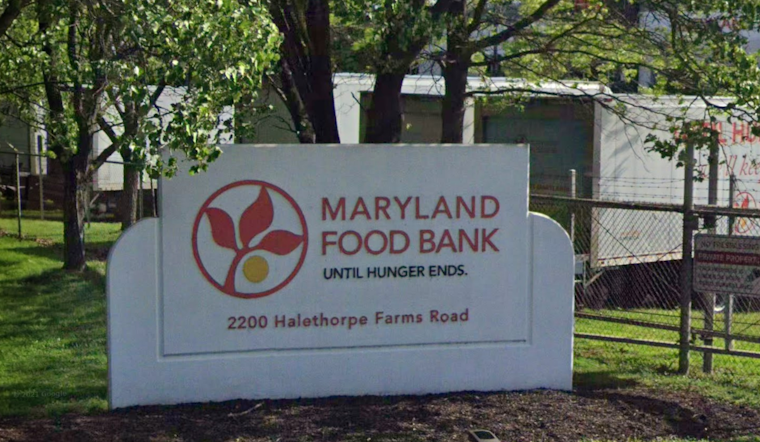
Across Baltimore, the line outside the local food pantry is starting to look like rush hour. The Maryland Food Bank says more families are turning to its network as grocery bills and transportation costs climb, and partner pantries and distribution sites across the state report growing crowds. The surge is straining volunteer ranks, stretching inventory, and squeezing a budget already hit by rising fuel and vendor fees that cut into the nonprofit’s ability to buy nutritious food.
Maryland Food Bank President and CEO Meg Kimmel told reporters that the organization served more than 1 million Marylanders last year, and that demand spiked during last fall's government shutdown, when the number of people seeking help doubled, according to CBS Baltimore. "The ability to make ends meet is getting harder and harder nationwide," Kimmel said, warning that new fuel surcharges and vendor price increases, including a $0.07 per-pound bump from one supplier, are pushing the food bank’s costs up by millions. The outlet’s price tracker also shows food costs were nearly 20% higher in March 2026 than in January 2022.
According to the organization’s own figures, the Maryland Food Bank distributed roughly 43.6 million meals in fiscal 2025, and about 90% of its resources go directly to program services, as detailed on the group’s website. That scale depends on a statewide network of nearly 800 community partners and dozens of distribution sites that handle everything from bulk purchasing to gleaning and local rescue operations. When you are moving that much food, even modest jumps in wholesale prices or freight bills quickly turn into big shifts in the budget.
Fuel and freight are driving costs up
Global fuel disruptions tied to the conflict in the Middle East have pushed jet fuel and crude prices sharply higher, a trend that filters into shipping and storage costs for groceries and donated food, industry groups warn. The International Air Transport Association has documented large recent jumps in jet fuel prices that are now showing up in ticket and freight bills. At the same time, federal consumer price data show food prices remain well above pre-pandemic levels, according to the Bureau of Labor Statistics.
Safety net strains in Maryland
Policy shifts are making a tough situation worse. A recent drop in SNAP enrollment and heavier recertification workloads have created gaps in the safety net, pushing more households toward food pantries, and the Maryland Food Bank's SNAP outreach program reported a large increase in calls, as reported by The Baltimore Banner. Local social service groups say that the mix of benefit churn and rising grocery bills is sending families to food bank lines who previously scraped by on federal benefits or tightly managed household budgets.
The Maryland Food Bank is urging supporters to lean in where it counts most. The organization asks donors and volunteers to consider financial gifts, which allow staff to stretch every dollar through bulk buying and faster distribution; it also maintains a searchable food finder and volunteer sign-up tool on its website, according to Maryland Food Bank. Officials say monetary donations and partnerships that can absorb fuel or storage costs are the fastest way to ease the pressure and keep food moving to neighbors who need it.





