

























































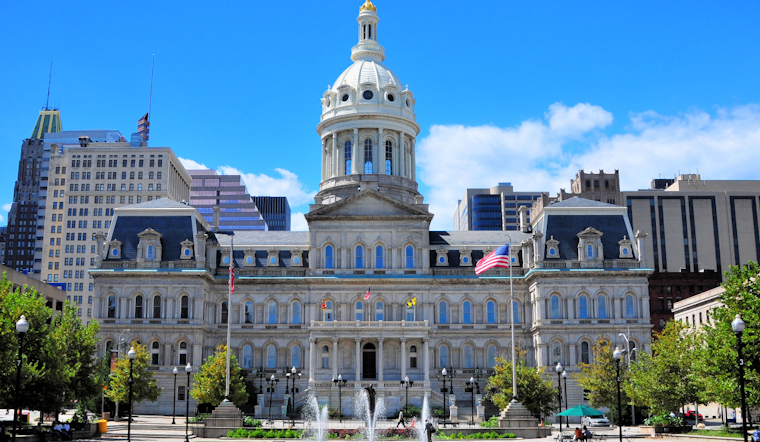
Baltimore’s top three elected officials are trying to bust up one of City Hall’s biggest operations. Mayor Brandon Scott, City Council President Zeke Cohen, and Comptroller Bill Henry have rolled out a charter amendment that would peel the Bureau of Water and Wastewater away from the Department of Public Works and turn it into its own water agency. They say a standalone utility could finally give focused leadership and modern financial tools to tackle aging pipes, chronic billing headaches, and big-ticket consent decree obligations. Councilmembers Odette Ramos and Ryan Dorsey, who are sponsoring the measure, want to send the question to voters in 2026.
Under the plan, Baltimore would resurrect an independent department charged solely with running water and wastewater operations, an approach backers argue would clean up the books and sharpen long-term planning for one of the region’s most critical services, according to Fox Baltimore. City officials contend that a separate agency could tighten revenue collection, fix persistent billing system issues, and potentially bring down borrowing costs. They also note that Baltimore once operated a standalone water department before it was folded into DPW in the 1920s.
In a press release cited by Fox Baltimore, Mayor Brandon Scott said, "Providing safe, reliable drinking water and effective wastewater services are one of the most important and complex responsibilities of city government." He added that the charter amendment would lay out a path to deliver those services more efficiently, equitably, and sustainably.
Task force pushed this idea
The move did not come out of nowhere. In January 2024, the Baltimore Regional Water Governance Task Force formally recommended that the city study restoring the Bureau of Water and Wastewater to full department status to shorten chains of command and strengthen capital planning, according to the task force report. That report called for both a short-term assessment and a longer-running working group to dig into pension, debt, and equity implications before any broader regional shakeup.
Scale and the price tag
Baltimore’s water and wastewater system serves more than 1.8 million residents across the region, a figure spelled out in the state law that created the task force in 2023, House Bill 843. For the Bureau of Water and Wastewater alone, the city’s capital request for FY2027 clocks in at about $473.4 million, according to the Department of Planning’s FY27 CIP presentation for DPW.
What leaders say a standalone agency would do
Supporters argue that carving out a dedicated department for water and wastewater would make it easier to bring in specialized talent, handle long-term debt, and set rates and capital projects using an enterprise-style model, echoing findings in the task force report. They also point to earlier shakeups at City Hall, such as separating transportation and general services from DPW, as a playbook for spinning off the bureau.
What comes next
City leaders say they plan to formally introduce the charter amendment in the City Council and move to place it on the 2026 ballot. If voters approve the change, officials anticipate a multi-year transition to build out the new department and sort through the legal, pension and day-to-day operational issues that come with splitting off the utility.
Legal process
The Baltimore Regional Water Governance Task Force itself was created by House Bill 843 in 2023, which directed the panel to examine different governance models and report back by January 30, 2024. Under Baltimore’s charter rules, getting the proposed amendment in front of voters will require the City Council to introduce the measure and sign off on specific ballot language before it can appear on the municipal ballot.





