

























































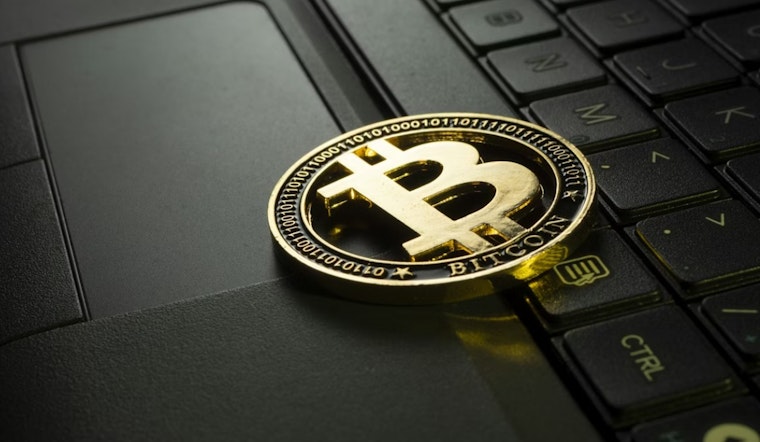
Scammers are taking a run at Adams County residents with a fake arrest warrant that demands payment in cryptocurrency, the sheriff's office warned on May 6. The bogus paperwork, dated March 20, claims the target owes an $80,000 fine and threatens days of confinement, probation, and community service if they do not pay up. At least one person sent a small amount in bitcoin before realizing the whole thing was a scam.
In a Facebook post, the Adams County Sheriff's Office shared a scan of the counterfeit warrant and said scammers had spoofed the office's main phone number. According to the post, the document had victims' names removed to make it look like a generic official form and instructed people to convert payment into “a federally insured digital asset.” The fake warrant listed penalties of up to 10 days of confinement, one year of federal probation, and 150 days of community service. Deputies urged residents to treat any suspicious call as a red flag and verify it with non-emergency dispatch.
How the scam works
This scam leans on the usual playbook: a caller using a spoofed number, urgent threats, and high-pressure demands to move money fast, often in forms that are nearly impossible to claw back. The FBI warns that government impersonation schemes frequently demand payment through gift cards, wire transfers, or cryptocurrency, and that scammers count on fear and confusion to push people into paying immediately. They may follow up with official-looking paperwork or robocalls to prop up the lie.
What to do if you get the call
If someone claims there is a warrant for your arrest and demands bitcoin, gift cards, or any other unconventional payment method, hang up. Do not send money, do not buy gift cards, and do not move cryptocurrency at a caller's direction.
Instead, contact the sheriff's office using information you find on the department's official website. The Adams County Sheriff's Office lists its general information line at 303-654-1850 and dispatch or non-emergency at 303-288-1535. Save screenshots, call logs, and any wallet transaction IDs, then file a police report so investigators have a formal record of what happened.
Why bitcoin payments are hard to recover
Once cryptocurrency is sent to a scammer's wallet, it is usually gone for good. Transactions on most blockchains are designed to be irreversible, which is great for preventing chargebacks and terrible for victims trying to undo a bad transfer.
The FBI's Internet Crime Complaint Center (IC3) has reported that complaints involving cryptocurrency added up to billions in losses in 2025, highlighting just how costly these schemes can be. Victims are urged to file a complaint with IC3 and keep any available evidence, including wallet addresses and transaction hashes. More details and guidance are available from IC3.
It's happening across Colorado
The Adams County warning fits into a broader pattern across Colorado, where sheriff's offices have been fielding similar reports of scammers posing as law enforcement and steering people toward cryptocurrency payments. In recent weeks, local outlets have covered near-identical impersonation cases affecting residents in Fremont and La Plata counties. KKTV and The Durango Herald reported those incidents.
If you think you have been targeted, hang up, document everything, and contact local law enforcement. Do not follow any instructions that involve moving funds on the spot. Reporting these calls helps investigators spot trends and could keep someone else from falling for the same con.





