

























































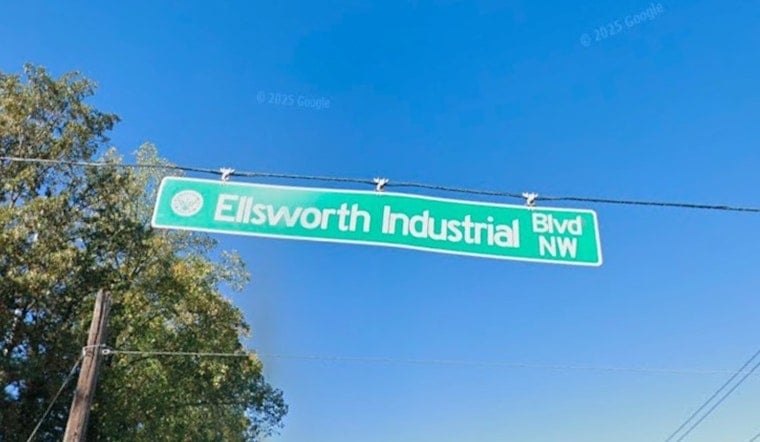
A sleepy warehouse stretch in Blandtown is on track to become a hulking data center campus, and neighbors are not thrilled. City planning sign-offs for the project have residents worrying that roughly 17 acres along Ellsworth Industrial Boulevard will trade housing and storefronts for server racks and substations instead. The site, across from Topgolf and just north of the newly opened Northwest Trail segment of the Beltline, has been a focal point for recent apartment and restaurant proposals. Locals say the approved plan, if built as presented, would alter the block's character and bring noise, truck traffic and heavy infrastructure to a corner the city has been trying to knit into its trail network.
Plans Cleared In City Records
City planning filings show a proposal to convert a mid-century warehouse at 1611 Ellsworth Industrial Blvd into a roughly 400,000-square-foot data center was approved with conditions late last year, according to Urbanize Atlanta. The same filings describe the larger, roughly 17-acre property as accommodating an accessory substation and other non-data uses connected to the redevelopment.
Filed Just Before City Hall Moved To Rein In Data Centers
The developer submitted its special administrative permit application on Aug. 30, 2024, only hours before the Atlanta City Council approved ordinances limiting where new data centers can be built near the Beltline and high-capacity transit stops, as reported by The Atlanta Journal-Constitution. Council materials and statements from city planning staff indicated that SAPs filed before the vote would generally be reviewed under the rules in place when they were submitted, according to the council's public record and press materials.
What The Overlay Zoning Can Allow - And Block
Rules in the Beltline and Upper Westside overlay districts still put limits on how much of the overall development can function as a low-activity use like a server farm. The overlay language restricts the share of a project that can be dedicated to data center operations and requires active, street-level uses, with those spaces occupied, before data-center floor area can be fully occupied, as outlined in the city zoning code and consolidated text available in public code listings. In practice, that means a developer could secure permits for shell work, but the server halls themselves generally could not go live until the complementary housing, retail or office components have valid occupancy permits.
Neighbors And Design Review Push Back
Neighborhood leaders told Urbanize Atlanta they have not seen concurrent filings for the non-data uses that the overlay requires. The Beltline Design Review Committee voted not to support the data-center use, a visible sign of local resistance. At recent public meetings, residents raised familiar worries about diesel backup generators, truck traffic, light and noise during off-hours, and what they view as a lost opportunity for more housing and ground-floor retail next to a major trail connection.
Developer Pitch And Market Context
Youngwoo & Associates, which has owned the property since the 1990s and marketed it under the name Radio 1611, has argued that a data center is one of the few financially viable paths forward after mixed-use financing stalled. The firm told Bisnow that "data center is the right use." The site was listed for sale in 2024 by Avison Young, which noted that existing zoning could accommodate as much as 1.5 million square feet of high-density development, language that has helped attract interest from both residential developers and tech-infrastructure buyers. Meanwhile, a newly opened segment of the Beltline's Northwest Trail sits roughly a block south of the parcel, intensifying expectations for trail-oriented development in the immediate area.
Legal And Permitting Note
Because the SAP was filed before the council's 2024 restrictions took effect, city staff indicate the application can continue through the permitting process, but occupancy is constrained by overlay rules and any conditions attached to the approval, according to reporting in The Atlanta Journal-Constitution and city planning code summaries. That combination, an approved SAP paired with overlay-driven occupancy limits, is why neighbors and design panels remain focused on the timing and specifics of the mixed-use commitments for the rest of the site.
Next steps may look bureaucratic but will be closely watched. A developer could seek building permits for the server spaces, while community groups, the Beltline committee and the city's planning office monitor the project for concurrent filings for housing, retail or other active uses required by the overlay. If those complementary uses do not materialize, opposition from neighbors and elected officials could influence future decisions about occupancy, phasing and any follow-up approvals.




