

























































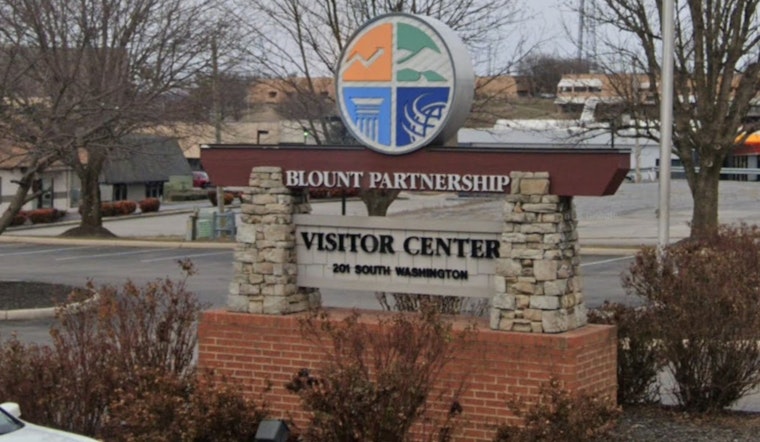
The Blount Partnership, Blount County’s lead economic development nonprofit, said Tuesday it does not support building AI data centers in the county, arguing that the huge power and cooling needs of hyperscale facilities would put an outsized strain on local water and electric systems and erode residents’ quality of life. It is a notable shift for an organization that typically spends its time trying to recruit new industry to Maryville, Alcoa, and the rest of the county.
In a statement to WATE, the Blount Partnership said it opposed the development of AI data centers in Blount County and pointed specifically to concerns over electricity and water usage for such projects. The group said local leaders should weigh long-term community impacts against any short-lived economic bump.
Why Water And Power Are A Flash Point
Water consumption sits near the top of the worry list. The Brookings Institution has found that a typical data center can use on the order of 300,000 gallons of water per day, while the largest hyperscale sites may draw millions of gallons daily, putting them in the same league as small towns. Cooling technology can reduce the draw, but local water supplies and treatment capacity can still be pushed to the limit if reuse and closed-loop systems are not built into a project from the start.
Grid Pressure And TVA’s Role
Electric demand is the other big constraint that local officials keep circling back to. Regional utility planning has already started to shift as large tech loads come into the picture, and data center demand is now a rapidly growing share of industrial power use. According to local coverage, TVA has said it is reviewing rate structures and infrastructure investments to make sure new large customers do not saddle regular residential ratepayers with higher bills.
Neighbors Scramble To Rein In Data Centers
The Blount Partnership’s stance lands in the middle of a broader East Tennessee rush to put guardrails around data center development. Local governments from Anderson County to the City of Rocky Top have been weighing new zoning and permitting language to limit where facilities can go and how big they can be, while Knox County leaders draft a detailed ordinance spelling out setbacks, noise limits, and other design rules. Coverage from WATE shows officials are trying to move quickly before projects slide into unincorporated county land under looser rules.
Neighborhood and county-level measures around Knoxville have drawn interest from nearby jurisdictions, and Hoodline has compiled draft rules and setbacks that officials debated at last month’s hearings. The outlet noted that the draft language would push data centers into industrial zones and layer on new noise, appearance, and water and energy sourcing requirements.
Why This Fight Hits Different In Blount County
The Blount Partnership is the county’s lead economic development arm and usually spends its time marketing Maryville and Alcoa to prospective employers. Its public opposition signals that local leaders see the tradeoffs from hyperscale AI campuses as fundamentally different from past industrial recruitment wins. The organization’s own materials describe its mission as promoting economic growth while protecting community quality of life, and that balancing act is clearly shaping its new position. The Blount Partnership has historically teamed up with local governments to attract investment, which is why this statement is drawing such close attention from county officials.
Next comes the slow but consequential part of the process: county commission meetings, public hearings, and utility reviews. Developers that want to build large compute campuses typically need utility sign-offs, transmission upgrades, and water permits, and each of those checkpoints gives local policymakers and providers a chance to slow, reshape or even block proposals. For Blount County residents, the upcoming public meetings are where the tradeoffs will be aired in public and where the future map for land use and major permits will start to come into focus.


