

























































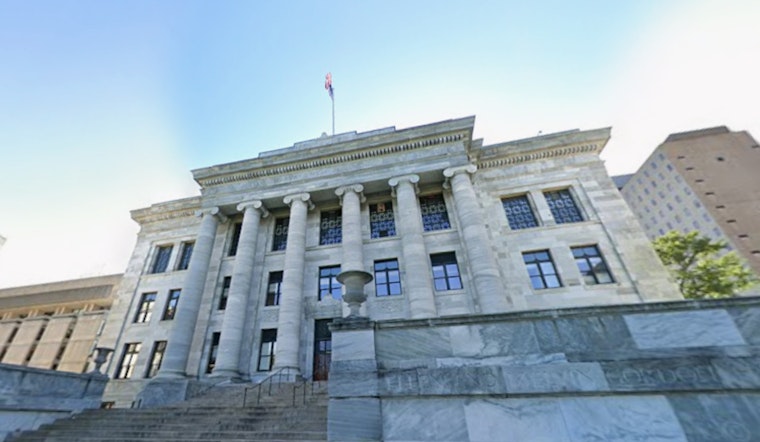
A Suffolk Superior Court judge has shut out a Morgan & Morgan attorney from the high-profile class action accusing Harvard Medical School of mishandling donated bodies, after the lawyer revealed he had already been sanctioned for filing motions that leaned on fake, AI-generated case citations. Judge Kenneth Salinger denied the attorney’s request to appear and said the disclosure did not show the kind of safeguards the court needs to trust future filings. For now, the decision keeps the lawyer off Wilder v. President & Fellows of Harvard College while the court continues to navigate a thicket of procedural and ethical questions.
Judge Calls Out AI 'Hallucinations' In Pro Hac Bid
In a written order, Salinger wrote that “trial lawyers cannot file legal papers supported by fake case citations” and branded the episode a “failure to comply with basic ethical requirements,” as reported by Reuters. He rejected T. Michael Morgan’s motion to appear pro hac vice in the Boston litigation, finding that Morgan’s disclosure of a prior sanction did not show the remedial steps the court would need to see before accepting his filings. The order, entered in Suffolk Superior Court, trims the roster of lawyers who can press the plaintiffs’ claims at this stage.
Attorney's Earlier AI Missteps Resurface
Court records and reporting indicate that Morgan had signed off on motions in another case citing eight non-existent decisions, authorities the court says were generated by artificial intelligence. He also ran afoul of Massachusetts rules for out-of-state admission by skipping local counsel and paying the wrong fee, according to Law360. Morgan disclosed that earlier AI-related sanction when he applied to appear in the Harvard case, but Salinger concluded the steps taken since were not enough to show meaningful remediation. The filings list members of Morgan & Morgan on the plaintiffs’ team, putting the nationally known firm at the center of the procedural fallout.
What The Harvard Suit Alleges
Wilder v. President & Fellows of Harvard College is a consolidated proposed class action brought by relatives who say Harvard mishandled donated remains and that a former morgue manager sold body parts on the black market, as outlined by Justia. The scandal led to criminal charges and guilty pleas in a related federal probe, and the former morgue manager later received a federal sentence, as reported by The Boston Globe. Hoodline previously covered the guilty plea and early developments in the case, detailing how families discovered the alleged misconduct and the shock that followed.
Courts Nationwide Lose Patience With AI Blunders
Salinger’s order arrives amid a growing line of rulings where judges have rebuked attorneys for submitting AI-generated, fabricated authorities. Courts have recently disciplined lawyers and prosecutors who filed briefs with invented citations, and a Georgia high court discipline tied to AI errors drew national scrutiny, according to Reuters. That pattern has made judges far more likely to demand concrete verification procedures and closer supervision of any tools that assist in drafting legal papers.
Legal Fallout For Lawyers And Clients
Ethics authorities have been clear that existing professional rules on competence, supervision, and candor to the tribunal still apply when lawyers use generative tools, and that the burden remains on attorneys to verify authorities and supervise non-lawyer assistants. Massachusetts guidance and bar materials stress that attorneys are responsible for accuracy and must follow rules on admissions and local counsel, per Mass.gov. For clients and plaintiffs in the Harvard case, Salinger’s ruling narrows who can appear as the litigation moves forward and shows how quickly courts can respond when technology-driven errors surface.
Salinger’s denial leaves T. Michael Morgan off the plaintiffs’ roster for now. He can seek reconsideration or other relief, but the order stands as a pointed reminder that courts expect lawyers to police AI usage in their own shops, Law360 reports. The episode is likely to reverberate across Massachusetts litigation practice as firms tighten review and verification procedures around generative tools.




