

























































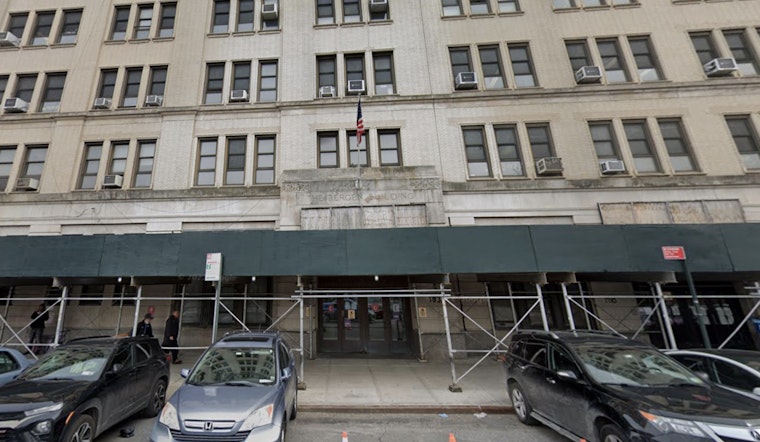
Bronx Community Board 6 has thrown up a big roadblock to one of the neighborhood’s largest proposed housing projects in years, voting unanimously on Wednesday to oppose Phipps Houses’ rezoning plan for two West Farms sites. Members said the proposal’s size and the nonprofit developer’s track record were too troubling to ignore. The plan would overhaul the blocks near the Bronx Zoo by replacing the aging Mapes Court complex and adding a new Sojourner Truth building, a multiyear construction effort that would stretch out over several years. The board’s recommendation is only advisory, but the vote ramps up political pressure as the rezoning heads into the city’s land-use review process.
What Phipps is proposing
Phipps is seeking a rezoning that would allow a 159-unit building on the Sojourner Truth site and a roughly 298-unit replacement for Mapes Court, for a total of about 457 apartments across both properties. A large share of the units would be family-sized two- and three-bedroom homes, according to Bronx Community Board 6. The Sojourner Truth portion of the plan sets aside 91 apartments for current Mapes residents, who would need to complete income recertification, and the rebuilt Mapes Court would include a small number of units reserved for formerly homeless households. Phipps is also asking for a Mandatory Inclusionary Housing designation, which would lock a substantial portion of the apartments into long-term affordability.
Why the board said no
Board members and tenants who spoke at the meeting said their opposition is not to affordable housing itself, but to the way Phipps has handled past relocations and to what they see as fragile neighborhood infrastructure. A letter circulated at the meeting accused Phipps of “unfulfilled promises” tied to the Lambert Houses relocation and flagged dozens of open housing violations at Mapes Court, as reported by the Bronx Times. Residents also criticized the outreach process as too thin and argued that Southern Boulevard’s streets, transit and local services are not prepared for buildings of the proposed scale.
Trust gap rooted in Lambert Houses
Speakers repeatedly pointed to the Lambert Houses experience as the source of a deep trust gap. At that complex, recertification failures led to rent overcharges and legal action, a saga that still looms large for tenants facing another major relocation. The New York Legal Assistance Group documented a December 2024 agreement that required better recertification procedures at Lambert, and advocates say that history helps explain why CB6 is now pushing for stronger, legally binding tenant protections. The board has asked elected officials to take its concerns seriously and has pressed Phipps for clearer and enforceable commitments, according to Bronx Community Board 6.
What happens next
Despite the lopsided vote, CB6’s decision is advisory, and the rezoning application continues on through the city’s land-use review and public hearings. Once the proposal is certified, the formal ULURP review typically lasts about seven months, although environmental review and pre-certification steps can stretch that timeline, according to the New York City Department of Housing Preservation and Development. The application will next go to the borough president and the local Council member, and if the City Council ultimately rejects it, Phipps would still have administrative or political avenues to explore, a path outlined by the Bronx Times.
For now, neighbors and board members say they want concrete answers on how tenant recertification will work, what supportive services will be in place for formerly homeless residents, and when, exactly, outreach will happen before any mass relocations begin. As the review grinds forward, Phipps and local elected officials will be under pressure to spell out those details in writing.





