

























































Judlau Contracting has hauled Southeast Bridge FL Corp.'s principals and Lexon Insurance Company into federal court, accusing them of siphoning money and torpedoing a roughly $41 million Bronx subway contract. In a complaint filed Thursday in the Southern District of New York, Judlau says it advanced funds and paid creditors directly to keep work moving after a subcontractor allegedly fell behind on union wages, fringe benefits and pension contributions tied to painting and structural repairs. Judlau is asking the court for permission to go after Lexon - the surety that issued a labor-and-benefit bond - to recoup what the prime contractor says it was forced to cover.
According to Insurance Business, Judlau signed five subcontracts with Southeast Bridge in July 2022 totaling about $41 million and issued a default notice in January 2025. The outlet reports that the filing alleges Southeast Bridge told Judlau it was roughly $700,000 behind on the painters' pension and benefit funds, and that Judlau terminated the work on July 1, 2025. The complaint also points to a separate mechanic's-lien and payment-bond claim by vendor SIR LLC for $5.5 million, which Judlau characterizes as "grossly overstated."
Contract background
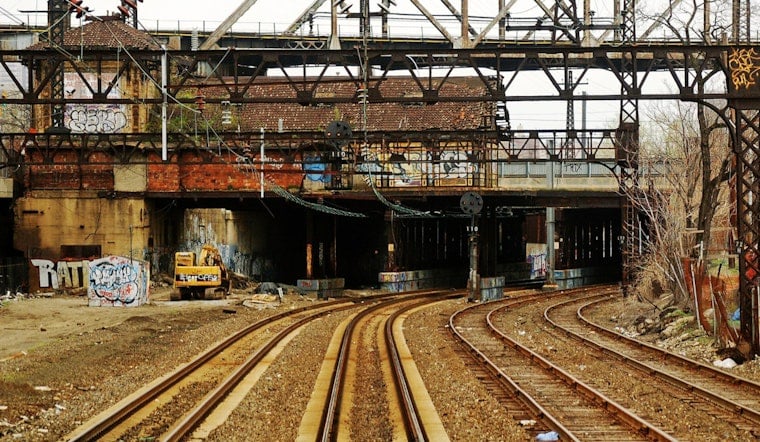
Judlau, a subsidiary of the OHLA group, joined a public-works package to paint and repair bridges and elevated structures on the Dyre Avenue and White Plains Road lines in the Bronx, part of what OHLA described in 2022 as its New York portfolio. Company materials show Judlau landed multiple MTA contracts that included the Bronx bridge work, while the lawsuit focuses on five subcontracts tied to that package. For riders and businesses tucked under those elevated stretches, the structures are part of everyday life; for unions and builders, the case is a reminder that missed fringe-benefit payments can quickly turn a routine rehab job into litigation, as noted by OHLA.
Bond, lien and the money trail
The complaint says Southeast Bridge obtained a labor-and-benefit bond from Lexon in August 2023 that named the painters' benefit funds as obligees but carried a penal sum of only $200,000. As Insurance Business reports, Judlau alleges it advanced money and paid certain creditors directly to keep crews on site, then sought to subrogate into the benefit funds' rights so it could pursue Lexon for repayment. State insurance listings identify Lexon as a licensed surety (NAIC #13307) with an address in Purchase, N.Y., which helps explain why the prime contractor followed the bond money to the insurer, according to the Missouri Department of Insurance.
Legal stakes
Judlau's complaint mixes contract, tort and statutory theories, including fraud, conversion and a trust-fund diversion claim under Article 3-A of New York's Lien Law. If those claims are proven, trustees and others involved can face personal liability. New York's Article 3-A treats money received for construction projects as a statutory trust for the benefit of certain parties and gives those beneficiaries tools to chase payment, per New York Lien Law Article 3-A. The complaint also leans on equitable subrogation, the doctrine Judlau invokes to "stand in the shoes" of the benefit funds and press Lexon for amounts it says it had to cover, a familiar move on bonded public jobs when someone steps in to pay labor or benefit shortfalls.
What happens next
The case is brand-new, which means all allegations are still untested and the claims have not yet faced a judicial ruling. Unless the parties try to speed things up, the lawsuit will follow a standard federal schedule. Under Federal Rule of Civil Procedure 12, a defendant generally has 21 days after being served to respond, though motions to dismiss or other early filings can tweak that timing, as outlined in FRCP Rule 12. If the trust-fund and lien disputes are fully litigated, the fight will likely zero in on accounting records, the wording of the bond and whether any project funds were improperly diverted, a discovery slog that can take months in complex construction cases.
For Bronx contractors, union benefit funds and sureties, the lawsuit is an early test of whether a relatively small statutory bond and a maze of liens and advances can shift more of the financial damage onto a surety. Judlau is seeking damages and reimbursement, and the defendants will now get their turn to answer and challenge both the factual narrative and the legal theories. Court filings and party statements will shape how this subway-side money battle plays out.



.jpg)