

























































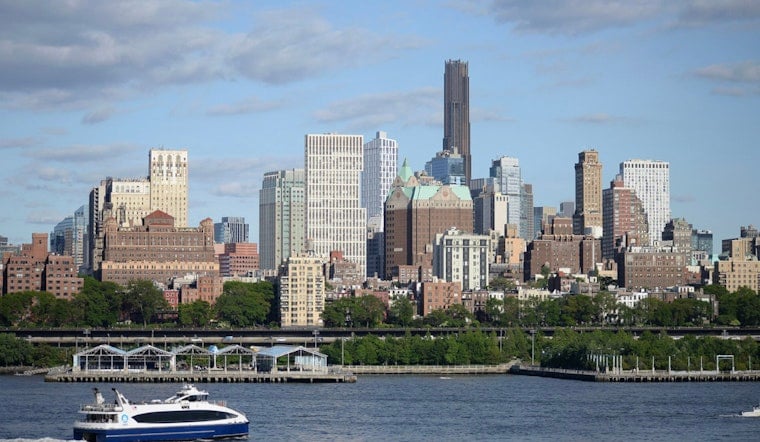
The lender that wrested control of a Downtown Brooklyn rental/condo high-rise is now looking to pile on new debt of its own, quietly shopping roughly $225 million in financing tied to the same tower. The move, surfacing in recent debt-market chatter, puts yet another local skyscraper under the microscope as lenders increasingly act like short-term owners when developers run into trouble. For neighbors, buyers and renters, the behind-the-scenes maneuvering could translate into shifts in how the building is marketed, leased or managed while fresh capital is lined up.
According to Green Street News, industry sources say the firm is targeting about $225 million of proceeds on the mixed rental/condo tower. Green Street reports that debt-market coverage first flagged the effort and that the lender is already circulating the deal to potential capital providers.
Lenders stepping into owners’ shoes
The playbook is becoming familiar in New York real estate: a creditor finances a big ground-up project, the numbers stop adding up, and the lender ends up effectively running the building. In one high-profile example, Commercial Observer reported that Silverstein Capital Partners effectively took control of the JDS-built Brooklyn Tower at 9 Dekalb Street after loan defaults, turning a debt position into de facto ownership of one of the borough’s most recognizable new spires.
Why a lender would shop for a loan
Once a lender takes over through a credit bid or UCC foreclosure, new financing can become the bridge between “rescued” and “resolved.” Fresh capital can help stabilize operations, complete leasing and amenities, or pay down looming obligations while a longer-term plan is hammered out. Mortgage-banking briefings note that bridge and recapitalization loans remain widely used for stabilized or near-stabilized assets, so a short-term structure is often the next logical step rather than an act of desperation. A recent mortgage-banking update from Ballard Spahr highlights how lenders and their lawyers are threading the needle on these transitional capital stacks.
What it could mean for Downtown Brooklyn
If the lender secures the $225 million or something close to it, those proceeds could be used to finish lease-ups, fund incentives to attract new tenants, or convert the capital stack into a more traditional long-term mortgage or eventual sale. How aggressive the plan looks will depend heavily on market conditions and the building’s current vacancy and sales pace.
Coverage from The Real Deal on big Brooklyn debt trades underscores how tricky it can be to reposition large mixed rental/condo projects after a default, especially when multiple tranches of debt and equity are involved. At the same time, recent refinancings, including the reported $370 million bridge loan for Society Brooklyn in March, show that institutional capital is still very much in play for sponsors who can catch the market at the right moment.
The latest item from Green Street News, drawing on commercial debt newsletters, is one more sign that Brooklyn’s late-cycle building boom is now being reworked in the financing arena. Public records and loan-marketing materials will reveal whether this particular lender succeeds in pulling off its $225 million ask, what terms it accepts, and whether the tower is ultimately prepped for a long hold or a quick sale.





