

























































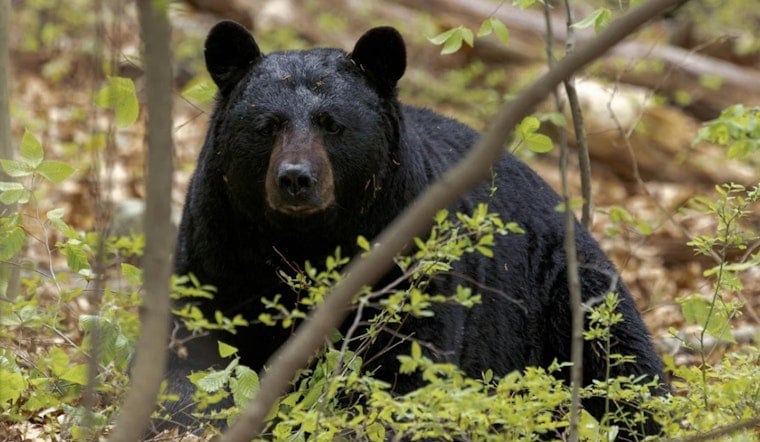
Six black bears have been killed in Buncombe County over the past two weeks after a run of unnervingly bold break-ins at homes and private property, according to wildlife officers. The animals kept slipping into garages, vehicles and houses, and officials say they showed so little fear of people that they left officers with few options. The outcome has neighbors split between relief and grief, while wildlife managers keep repeating a point they say people do not want to hear: human habits are largely driving the problem.
State biologists pin the problem on food conditioning
In one incident, homeowners told officers they pulled into their driveway just in time to see a bear casually walking out of their house. Wildlife staff said the same bear later strolled up to their trucks and showed “no fear of humans at all,” which led officers to kill the animal on site. The N.C. Wildlife Resources Commission reports that the six bears, which had been roaming the Black Mountain and Haw Creek areas, included a mother and two yearlings that were euthanized while a third yearling got away, and that necropsies found human-related trash or food in five of the six stomachs, according to The Charlotte Observer.
How residents can help
Biologists say the pattern is painfully familiar. Bears figure out that houses and cars mean easy calories, then keep coming back. Snacks left in vehicles, bird feeders, pet food in garages and strong kitchen smells can all act like a dinner bell. To cut down on those repeat visits, the state recommends locking up trash and recycling, taking down bird feeders when bears are active, storing grills and bringing pet food inside, according to the N.C. Wildlife Resources Commission. Officials warn that every time a bear is rewarded with human food, the odds go up that it will eventually be labeled a “problem bear” and euthanized.
Population trends behind rising encounters
Wildlife managers say these tense encounters are happening against a backdrop of a long-term conservation success story. North Carolina’s black bear population has rebounded to roughly 20,000 animals statewide, and higher numbers near growing mountain communities like Buncombe County mean more chances for close calls. Genetic monitoring and other research at NC State are helping agencies map hot spots for conflict and fine-tune how they respond, NC State's College of Natural Resources reports. Biologists say that mix of more bears and easy meals left by people is exactly what produces repeated break-ins and bears that stop acting wild around humans.
Neighbors react
On the ground, residents are processing a complicated mix of emotions. Some told reporters they were relieved to see aggressive or overly bold bears removed from the area. Others argued the situation never had to escalate. One Nextdoor post quoted by The Charlotte Observer summed it up this way: “I also feel very sad that they had to be taken down ... We don’t have to repeat this.” Local BearWise outreach and community education events are being ramped up to focus on practical ways to live alongside bears without inviting them in.
Wildlife officials say the fix is not glamorous, but it is straightforward: remove attractants, secure every possible food source and do it consistently, so bears never learn that homes, sheds or cars are their personal pantries. For help with a problem bear or advice tailored to your property, call the NC Wildlife helpline at 866-318-2401 or visit the N.C. Wildlife Resources Commission for guidance.





