

























































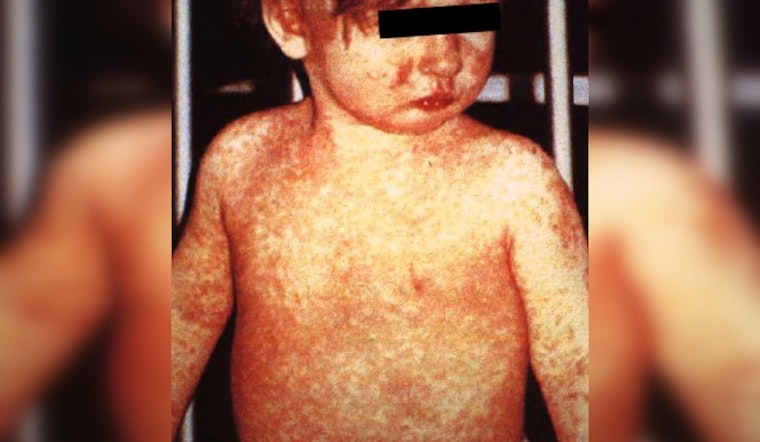
A new federal review of hospital records from the 2025 West Texas measles outbreak spells out, in cold detail, just how dangerous the virus can be. During the first three months of the outbreak, nearly one in five confirmed patients ended up in a hospital bed, and most of those patients were kids. The analysis catalogues complications ranging from pneumonia and severe dehydration to full-on respiratory failure, and shows how quickly a wave of measles can push small rural hospitals to the breaking point.
In an analysis published by the CDC, investigators reviewed 325 confirmed measles cases reported in the South Plains region from January 20 to March 18, 2025. Of those, 60 patients (18.5%) were hospitalized, and medical records were available for 54. Every one of those 54 patients was unvaccinated or had no documented MMR doses, and 49 of them, about 91%, were younger than 18 years old. Thirty were between 0 and 4 years old.
Complications were the rule rather than the exception. Among the hospitalized group whose records were reviewed, 39 developed pneumonia, 38 needed supplemental oxygen, four were treated in an intensive care unit, and two of those required mechanical ventilation. One child died during the report period. Two infants born to women who were hospitalized during the outbreak were later diagnosed with measles.
Outbreak scale and national risk
The Texas Department of State Health Services officially called an end to the West Texas outbreak on August 18, 2025, after logging 762 confirmed cases, 99 hospitalizations, and two deaths statewide, according to the Texas Department of State Health Services. Nationally, the CDC has reported 1,983 confirmed measles cases as of May 28, 2026, across 40 jurisdictions and has warned that the United States is at risk of losing its long-standing measles elimination status.
State and local health officials say the size of the West Texas outbreak, along with multiple linked clusters in other places, has stretched public health resources thin and triggered emergency vaccination drives.
Why vaccination still matters
The report’s authors stress that virtually all of the hospitalized patients whose charts were reviewed had no documented measles vaccination on file. They repeat what has been in the fine print for years: one dose of MMR is estimated to be about 93% effective, and two doses come in at about 97% effective.
According to the analysis, communities generally need vaccination coverage above 95% to maintain strong protection. Investigators warn that slipping childhood vaccination rates create pockets of vulnerability. Those local gaps, combined with rising measles transmission internationally and within the United States, help explain how a single imported case can ignite a large outbreak in an under‑immunized community.
Local response and what residents saw
As case counts climbed, public clinics and pharmacies in Texas reported surging demand for MMR shots. Local coverage described standing-room-only vaccination events and last-minute clinic hours meant to catch families who had fallen behind on routine shots. The Texas Tribune and other outlets followed the scramble for mass vaccination and the push by health departments to reach under‑immunized communities.
National outlets have also seized on the new analysis. Coverage at Ars Technica and elsewhere has helped rekindle debates about vaccine policy, access, and how to shore up confidence before the next outbreak lands.
What parents and providers should know
Health officials say anyone who is unsure about their own or their child’s MMR status should pull immunization records and talk with a health care provider about catch-up vaccination or post-exposure options if they have been around someone with measles.
The CDC recommends routine MMR doses at 12 to 15 months and again at 4 to 6 years, and advises that providers can consider earlier vaccination in an outbreak setting. The agency also recommends tailored guidance for pregnant people and infants. Local clinics and health departments remain the primary stop for up-to-date advice on testing, isolation, and where to find vaccine appointments.





