

























































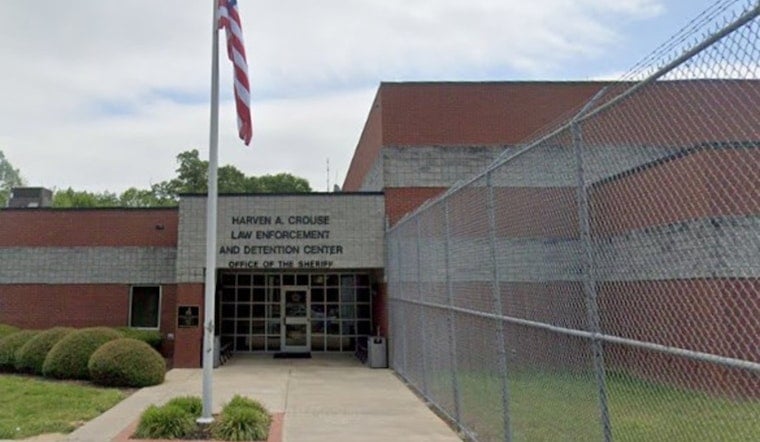
A Lincoln County sheriff’s deputy is on the other side of the bars after Mecklenburg County investigators say he sent a barrage of threatening messages and engaged in cyberstalking in Charlotte. Court records identify the suspect as 40-year-old Michael Hargrave, who is being held at the Mecklenburg County Detention Center. Authorities say the electronic messages were sent on May 1 and led a judge to issue a criminal domestic-violence protective order.
According to WCNC, the Mecklenburg County Sheriff’s Office announced Hargrave’s arrest, and court documents show he was booked into the county jail on May 3. Investigators reportedly traced the threatening electronic messages, obtained a warrant and then moved in to make the arrest. WCNC also reported that its journalists reached out to the Lincoln County Sheriff’s Office for comment.
Arrest warrant details
The arrest warrant reviewed by WCNC quotes messages in which Hargrave allegedly said he planned to “go on the attack” and “crush” his targets. Court records indicate the threats were directed at a family member and were cited as part of the probable cause used to secure the warrant.
Charges and legal context
North Carolina defines cyberstalking in N.C.G.S. §14-196.3, while communicating threats is addressed in N.C.G.S. §14-277.1. Under those laws, the offenses are typically treated as misdemeanors, although prosecutors can pursue tougher charges or seek sentence enhancements when the alleged conduct overlaps with domestic-violence situations or other aggravating circumstances.
What comes next
Public payroll records list a Michael Hargrave as a deputy with the Lincoln County Sheriff’s Office, tying the suspect to the agency through employment data, according to GovSalaries. The Mecklenburg County Sheriff’s Office oversees arrest processing and detention operations in the county, and its website provides information on the jail facilities and how to contact detention staff. Court officials and prosecutors will now determine the precise charges that will move forward in the case.





