

























































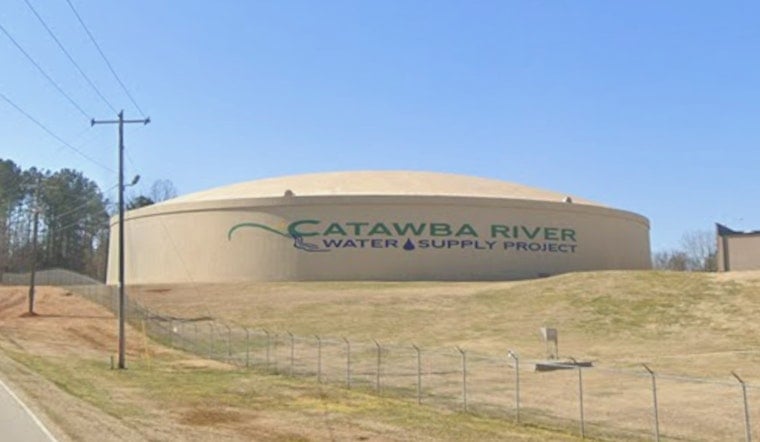
Charlotte’s push to lock in a much bigger share of Catawba River water is landing like a dry well with some of its upstream neighbors. Small towns, farmers and conservation groups along the river say the city’s long-range growth plans could drain opportunity from communities that already feel squeezed by drought and development.
Charlotte’s Bigger Straw and the Long Review Ahead
In 2024 Charlotte Water filed a notice of intent to modify its interbasin transfer certificate, which now allows a net transfer of 33 million gallons a day. The utility wants that ceiling raised to about 63 million gallons per day, according to North Carolina DEQ.
Charlotte Water’s public meeting materials say the request kicks off a multi-year review that includes scoping, a draft environmental impact statement, public hearings and a final ruling by the state’s Environmental Management Commission. By law, the city has to show the transfer is necessary, lay out the cumulative effects on the river basin and seriously weigh reasonable alternatives before the EMC can decide whether to grant, limit or deny the modification.
Upstream Leaders Say They Are Not Charlotte’s Backup Plan
Upriver officials have not been shy about their frustrations. “We’re not against Charlotte growing,” Hickory Mayor Hank Guess told WBTV, “we just don’t want Charlotte to grow at our expense.”
Anthony Starr, executive director of the Western Piedmont Council of Governments, told the station that the volume Charlotte is seeking would amount to more water than the entire region uses in a day. Local farmers, already rattled by a shortened strawberry season and recent droughts, say there is not much margin left for error on the Catawba.
Riverkeeper and Conservation Groups Hit the Brakes
Environmental advocates are urging regulators to take a hard look at the long-term math. The Catawba Riverkeeper has labeled Charlotte’s request “irresponsible” and called for a full review of alternatives and compensation for source communities, as reported by WSOC.
Riverkeeper Brandon Jones has also pressed for patience, arguing that state regulators should wait on the results of a General Assembly directed study and the Catawba-Wateree technical analyses before signing off on any large new transfers.
Charlotte Water Cites Models That Show Little Near-Term Harm
Charlotte Water counters that its long-range models do not spell trouble for upriver users anytime soon. In an exchange reported by WBTV, public affairs manager Jennifer Frost said the utility’s model “indicated that even if the drought of record were to happen again, water availability is not impacted upstream and is minimally impacted downstream and not for at least 50 years.”
The utility also says it is studying alternatives to a larger interbasin transfer and plans to fold those options into the environmental review, though critics are already signaling they will want to see the fine print.
State Law Puts Big Transfers on Temporary Hold
State lawmakers have already stepped in with a cooling-off period. The North Carolina General Assembly approved a 2025 law that places a moratorium on issuing certain new or expanded surface water transfer certificates while a university-led review examines environmental, economic and equity impacts, according to the North Carolina General Assembly.
That study, along with the moratorium, means any major approval on Charlotte’s request is likely to be pushed back while legislators and regulators sort through recommendations and potential guardrails.
Alternatives Critics Want on the Table
The Western Piedmont Council of Governments and its allies argue Charlotte should lean harder on options that keep the Catawba whole. They point to ideas such as building infrastructure that would return treated water to the river, ramping up reuse projects and improving interconnections and conservation instead of sending more water permanently to another basin.
Meeting records and council briefings in Hickory lay out that wish list in detail, including return-flow projects, reuse expansions and targeted conservation measures, according to the Hickory City Council minutes.
High Stakes for State Regulators
Under state rules, the EMC has to weigh necessity, reasonably foreseeable detrimental effects on the source basin, cumulative impacts and reasonable alternatives before altering any certificate. Those criteria are spelled out in Charlotte Water’s interbasin transfer materials and in the statutes that guide regulators.
The EMC can approve changes with conditions, require mitigation or say no altogether. The environmental impact statement, public comments and any side deals among stakeholders will all factor into the final call.
For now, the real action is shifting to draft environmental reports, stakeholder workshops and public hearings that could stretch into next year or beyond. Upstream towns, growers and conservation groups say they plan to keep pressing for return flows and other options, while state officials watch whether the science and the politics line up before reshaping who gets what from the Catawba.





