

























































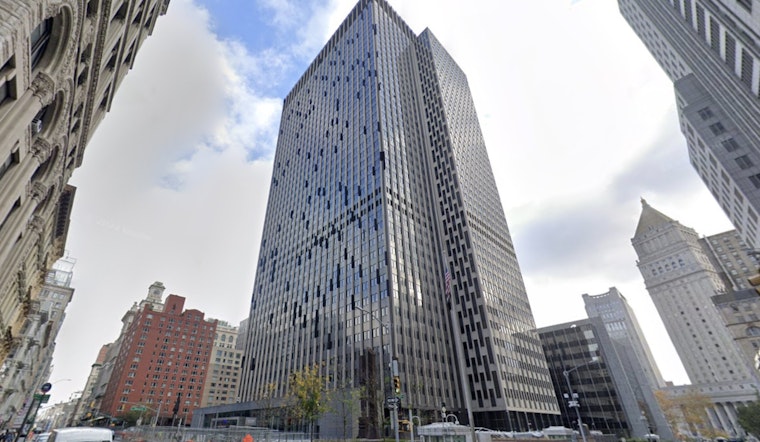
A Manhattan federal jury is now deep into a tense murder-for-hire trial accusing Daniel Sikkema of arranging the killing of his estranged husband, Chelsea gallerist Brent Sikkema, who was found dead in Rio de Janeiro in January 2024. Prosecutors say the alleged plot unfolded during a bitter divorce and that payments were quietly routed to an accused killer overseas.
According to the U.S. Attorney’s Office, a superseding indictment unsealed in February 2025 charges Sikkema with murder-for-hire conspiracy resulting in death, murder-for-hire resulting in death, conspiracy to murder a person in a foreign country, and passport fraud. The indictment alleges Sikkema funneled multiple payments through intermediaries and arranged a roughly $5,000 transfer to the man who killed his husband shortly after the January 2024 slaying. Those filings state that if he is convicted, he faces a mandatory sentence of life in prison or death.
In opening statements in Manhattan federal court, Assistant U.S. Attorney Nicholas Pavlis told jurors the government plans to rely on witness testimony, financial records, digital data and location evidence to show Sikkema orchestrated the plot from New York. Pavlis said the defendant wired money to the alleged killer and repeatedly boasted he stood to gain more as a widower than in a divorce, according to AP News. Defense lawyer Florian Miedel urged the jury to treat circumstantial evidence with caution and argued that the government’s case rests heavily on assumptions.
The trial’s first witness, retired pharmacist Angela Liriano, told jurors she heard Sikkema say during a December 2023 phone call, “Oh, well I truly hope that he’s dead, that he dies,” a remark prosecutors highlighted as evidence of motive. Liriano also testified that Sikkema complained about money during the couple’s divorce talks, according to AP News. The defense counters that angry words in the middle of a divorce do not amount to a murder plot.
Brazilian authorities arrested an alleged killer days after the slaying, and prosecutors say Alejandro Triana Prevez, reported to be a former bodyguard, later confessed to stabbing Brent Sikkema 18 times and taking cash from the apartment. As detailed by The Washington Post, court papers state that Sikkema began wiring money to intermediaries in mid-2023 and arranged a smaller payment the day after the murder.
Chelsea gallery and local context
Brent Sikkema was the founder and a longtime presence in New York’s Chelsea art scene, and his gallery, now Sikkema Jenkins & Co., represented artists such as Kara Walker and Vik Muniz. The gallery confirmed his death in 2024 and has been a fixture of Manhattan’s contemporary art circuit, according to The Art Newspaper. The case has drawn attention from both the art world and federal prosecutors because of its cross-border elements.
Legal stakes and next steps
The charges against Sikkema are federal and carry the gravest penalties under U.S. law, the U.S. Attorney’s Office notes, and the case is pending before U.S. District Judge Edgardo Ramos. Court calendars and reporting list the jury trial as set for May 11, 2026, according to Urgent Matter. Sikkema remains presumed innocent as prosecutors move to present more witness testimony, digital records and financial transfers to the jury.
Outside the courtroom, the proceedings have generated lurid headlines and intense scrutiny. The New York Post reported that prosecutors showed jurors grisly photos of the victim’s bloodied body. With testimony expected to continue this week, jurors will be asked to sort through a mix of circumstantial evidence, witness recollections and financial trails that stretch across continents.



