

























































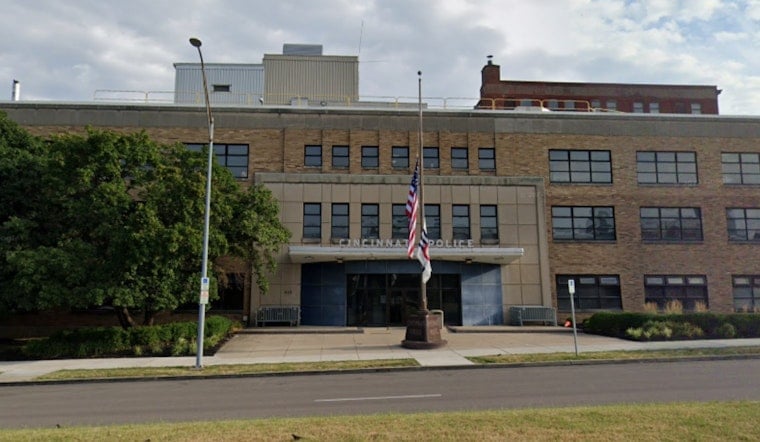
Cincinnati and Hamilton County leaders are quietly debating whether to encrypt routine police dispatch radio traffic, a shift that could pull the plug on the live scanner feeds residents and journalists rely on to follow shootings, chases and other fast-moving emergencies. Supporters in law enforcement say encryption would cut down on the chance that criminals use real-time broadcasts to dodge arrest or target officers. Critics counter that flipping the switch could leave the public and local newsrooms in the dark during breaking events. For now, no formal decision has been announced and the talks are still happening behind closed doors.
Several police chiefs and county officials told the Cincinnati Enquirer that the proposal is under discussion within the Hamilton County Police Association and could be rolled out by individual agencies without any legislative vote. The association’s president, Delhi Township Chief Jeff Braun, declined to go into detail, and Cincinnati city spokeswoman Mollie Lair likewise declined to comment. The Enquirer report also pointed out that scanner-based apps and online feeds, including Citizen and CrimeRadar, are built on open dispatch traffic, so a move to encryption would scramble how those services operate.
Officials say encryption would protect officers
Law enforcement agencies around the country have increasingly pointed to the explosion of scanner apps and online audio streams as a reason to lock down their channels. The Ada County Sheriff’s Office described its decision to encrypt law-enforcement radio as a way to "enhance public and officer safety" in a press release from the Ada County Sheriff’s Office. Police in Baltimore and other cities have also cited officer safety and the privacy of victims when they shifted to delayed or fully encrypted systems, according to The Baltimore Banner.
Reporters warn of a transparency gap
News organizations argue that routine scanner access is a basic tool for quick, independent coverage of public-safety incidents and investigations. The Radio Television Digital News Association has labeled radio encryption one of the biggest threats to newsroom newsgathering, saying it sharply limits the flow of public information during unfolding emergencies, according to RTDNA. The Reporters Committee for Freedom of the Press has similarly warned that when open scanner traffic disappears, reporters are pushed onto slower or more curated channels controlled by officials, which can create gaps in coverage (Reporters Committee).
How other cities have handled it
Some cities have tried to split the difference, encrypting tactical or sensitive channels while leaving everyday dispatch traffic open, or setting up public streams with a built-in delay. The Cincinnati Enquirer reports that San Francisco has adopted a hybrid approach and that Louisville has tested a 15-minute delay as a compromise model. Local critics say those kinds of workarounds still fall short of the real-time, on-the-ground reporting that wide-open scanners have traditionally made possible.
What’s next
Officials have not released a timetable, and they say the conversations are still confined to law-enforcement leadership circles. Legal analysts note there is generally no statewide rule that keeps routine channels public, and that choices about encryption are usually made administratively rather than through legislation, which means the switch could be flipped without a public vote, according to the Reporters Committee for Freedom of the Press. If Cincinnati or Hamilton County agencies decide to move ahead, media groups and open-government advocates say they will push for some form of credentialed or delayed access in an effort to preserve accountability while addressing officer-safety concerns.



