

























































More than $180 million in Cincinnati redevelopment plans are jockeying for a limited pool of Ohio Historic Preservation Tax Credits, as developers try to turn older downtown and Over-the-Rhine buildings into housing and mixed-use space that actually pencils out. The current application round could be a make-or-break moment for several properties, with state officials expected to announce awards in June, the point when projects either move toward construction or stall out on the drawing board.
According to Cincinnati Business Courier, application documents obtained by the paper show more than $180 million in total project costs tied to local entries in this round of the program. The Business Courier reports that developers submitted roughly 19 applications, a competitive cluster that suggests activity has picked up after a slowdown late last year. State reviewers will now sort through the proposals, weighing economic impact against strict historic-preservation requirements before naming winners in June.
Projects named in filings
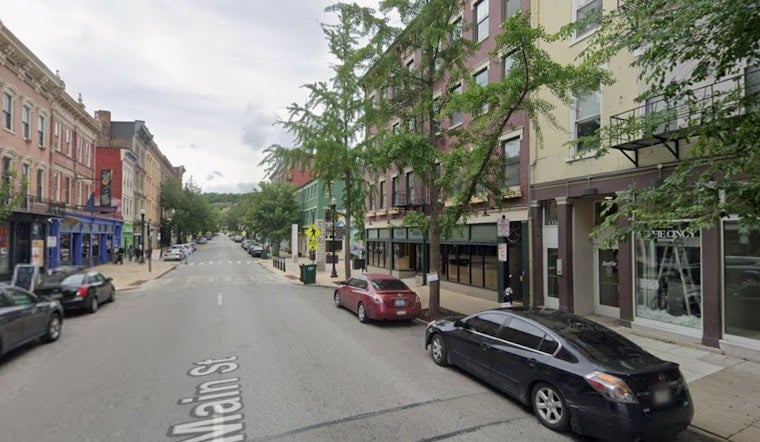
One address getting attention in the coverage is a four-story building at 1312–1316 Main St. in Over-the-Rhine, which appears among the projects seeking tax credit support this cycle. WKRC Local 12 highlighted the property and included a photo caption when it reprinted the Business Courier’s reporting. Development teams say credits like these often serve as the hinge that lets upper-floor apartments and street-level retail work financially in older, historically significant buildings.
How the tax credit works
The Ohio Historic Preservation Tax Credit program generally offers a state income tax credit equal to 25% of a project’s qualified rehabilitation expenditures, with a typical cap of $5 million per project. It is administered by the state’s development agency in partnership with the historic-preservation office. Under program rules, projects must meet the Secretary of the Interior’s Standards for Rehabilitation and demonstrate an economic benefit to the community. Applicants are also required to pay program servicing and certification fees, according to state program materials and administrative rules.
Why the credits matter
Historic tax credits have become a central piece of the financing puzzle for downtown Cincinnati and Over-the-Rhine, helping convert vacant upper floors into apartments while preserving storefronts and architectural details, according to AIA Ohio and local preservation groups. Past rounds of the program have leveraged millions of dollars in private investment across Ohio, and advocates say this latest $180 million pipeline could translate into new housing and commercial activity if the state awards come through as hoped.
What to watch next
Selection notices due in June will determine which development teams can lock in their capital stacks and move toward construction. Those who miss out often have to chase different incentives or regroup for a future application round. Local reporting notes that Cincinnati’s preservation pipeline has “roared back” after a slowdown at the end of 2025, a shift that could reshape key pockets of downtown and Over-the-Rhine if these proposals land tax credit support, according to WKRC Local 12. More detailed award lists and project budgets are expected when the state posts the official recipient roster in June.





