

























































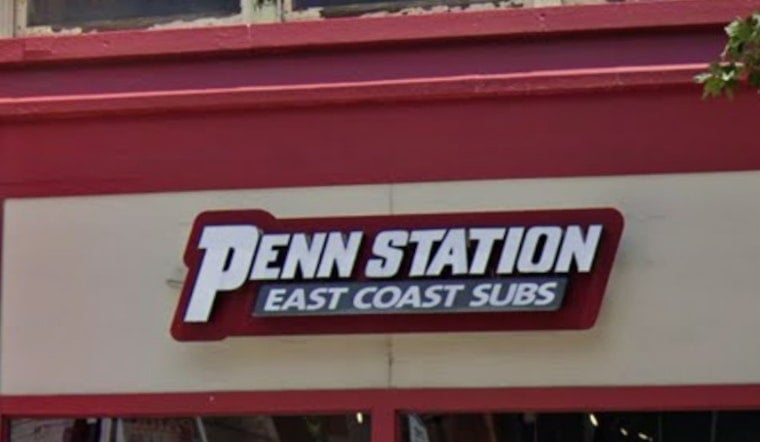
Cincinnati-based Penn Station is slimming down its name and beefing up its menu, announcing Tuesday that it will drop “East Coast Subs” from its branding and go simply by Penn Station Sandwiches. The company says the rebrand is meant to reflect a broader lineup of offerings, including handcrafted bread sandwiches, wraps, and bowls, and will roll out gradually with a new logo and refreshed brand identity. Company leaders also signaled the move could coincide with either transitioning or closing underperforming restaurants as part of a push for tighter operations and stronger franchise growth.
In a company release reported by WKRC Local 12, Penn Station Sandwiches president Lance Vaught said the change “reflects how people are eating today” and is designed to support long-term franchisee success. As noted in that coverage, the chain was founded in Cincinnati in 1985 by Jeff Osterfeld and now operates more than 300 locations nationwide.
Menu Shift Aims At Off-Premise Orders
Industry reporting shows the refreshed menu trades some of the classic sub rolls for nine-grain sandwiches and layers in wraps, bowls, kids’ meals, and bundled value options, updates that have already been tested in markets including Dayton, Indianapolis, and Cincinnati. According to QSR Magazine, COO Craig Dunaway said, “Only about 20 percent of our food is eaten in the restaurant now,” and the tweaks are meant to help items travel better for delivery and other off-premise orders.
Footprint Cleanup And Franchise Strategy
Company materials tied to the announcement say the new branding lines up with a long-term franchise growth plan centered on high-performing markets and consistent operations, with the updated logo and visual identity set to phase in across the system over time. The same announcement added that some locations could be transitioned or closed as leases and franchise agreements expire, according to WKRC Local 12.
What It Means For Local Growth
QSR Magazine reported that the chain expects to wind down roughly 10–15 of about 320 units over time while focusing on new openings within a roughly 350-mile radius of Cincinnati, a strategy meant to “fill in the concentric circle” around home markets like Columbus and nearby Rust Belt and Carolina cities. The overall footprint is expected to stay roughly flat while nudging the system toward stronger-performing stores.
For Cincinnati diners, that translates to a familiar neighborhood nameplate with a more portable, delivery‑friendly menu. For franchisees, it signals a clear preference for profitability and consistency over hanging on to marginal units. The new name, menu, and logo are set to appear in stages as the company watches how the changes play in its test markets.





